Wearable Technology: What's Next in the World of Gadgets?
Explore the future of wearable technology, from smart clothing to advanced health monitors, shaping our daily lives.
The Evolution of Wearable Technology
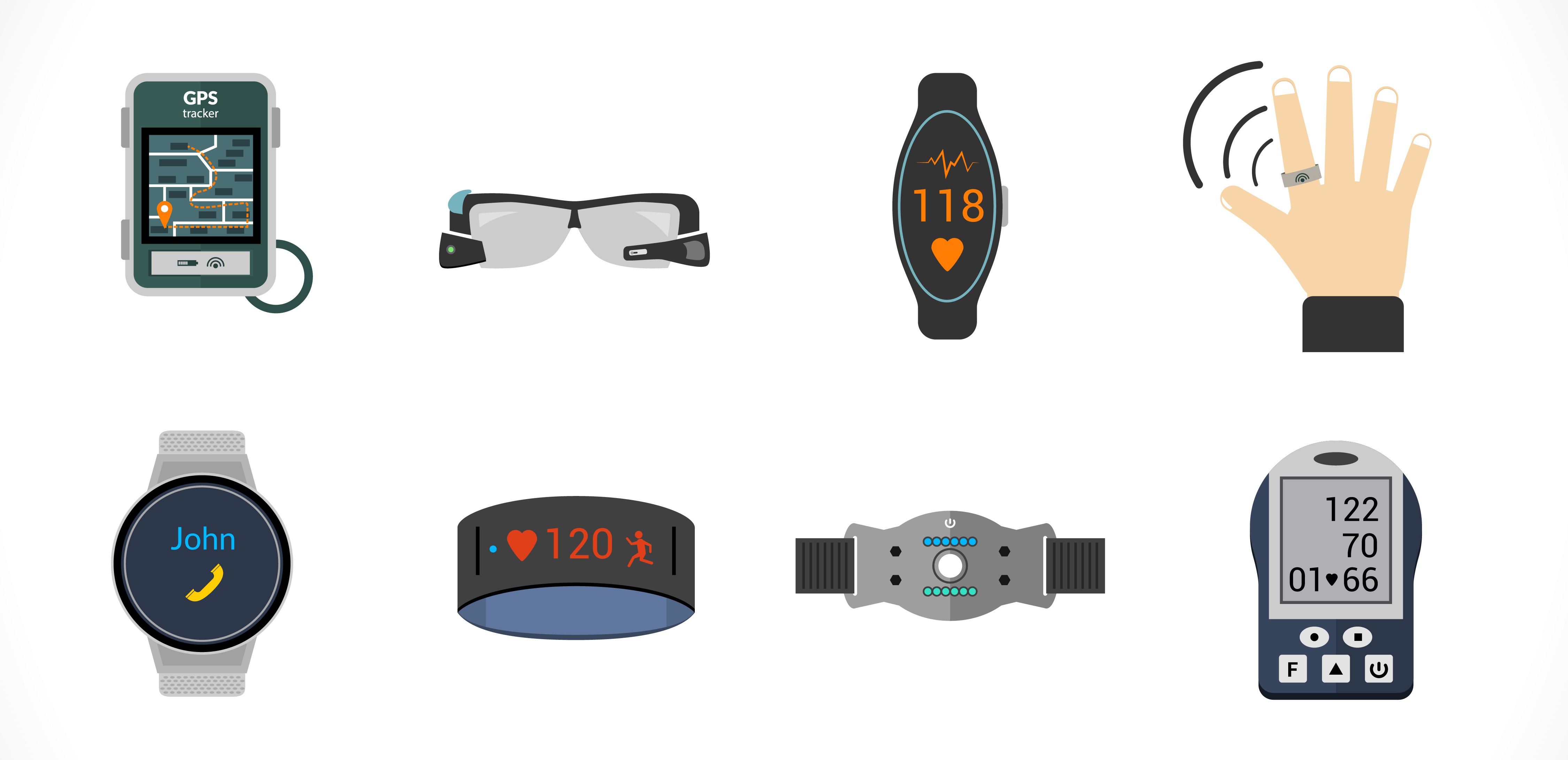
Wearable technology has come a long way since the early days of fitness trackers and smartwatches. These devices have seamlessly integrated into our daily lives, offering more than just basic functionality. From monitoring health metrics to providing notifications, wearables have become indispensable tools for many. They have evolved from simple gadgets to sophisticated devices capable of running apps, tracking complex data, and even predicting health issues. This transformation is driven by advancements in sensor technology, miniaturization, and connectivity. As wearables continue to evolve, they are expected to become even more intuitive, offering personalized experiences that adapt to individual needs and preferences.
Health and Wellness: A Major Focus
One of the most significant areas of growth in wearable technology is in health and wellness. Devices are no longer limited to counting steps or calories; they now offer comprehensive health monitoring. From tracking heart rate and sleep patterns to measuring blood oxygen levels and stress indicators, wearables are becoming essential tools in preventive healthcare. They empower users to take control of their health by providing real-time data and insights. Moreover, the integration of AI and machine learning allows these devices to offer personalized recommendations, making them even more valuable in managing health and wellness. The future promises even more sophisticated features, such as the ability to detect early signs of illness or manage chronic conditions effectively.
Fashion Meets Functionality
Wearable technology is not just about functionality; it is also about fashion. As these devices become more prevalent, there is a growing emphasis on design and aesthetics. Companies are collaborating with fashion designers to create wearables that are not only functional but also stylish. This trend is evident in the development of smart jewelry, eyewear, and clothing that blend seamlessly with personal style. The focus on fashion ensures that wearables are appealing to a broader audience, encouraging more people to embrace the technology. The future of wearables lies in striking the perfect balance between style and functionality, ensuring that users do not have to compromise on either aspect.
The Role of Augmented Reality
Augmented Reality (AR) is another exciting frontier in the world of wearable technology. AR wearables, such as smart glasses, are poised to revolutionize how we interact with the world around us. These devices overlay digital information onto the real world, providing users with enhanced experiences and capabilities. From navigation and gaming to professional applications in fields like healthcare and engineering, AR wearables offer limitless possibilities. As technology continues to advance, AR devices are expected to become more compact, affordable, and user-friendly, making them accessible to a wider audience. The integration of AR into daily life is set to redefine how we perceive and interact with our environment.
Connectivity and the Internet of Things
Wearable technology is at the heart of the Internet of Things (IoT), a network of interconnected devices that communicate and share data. This connectivity allows wearables to offer enhanced functionality, as they can interact with other smart devices and systems. For example, a smartwatch can control home automation systems, manage notifications from a smartphone, or even make payments. The integration of 5G technology is set to further enhance this connectivity, providing faster data transfer and more reliable connections. As wearables become more integrated with the IoT ecosystem, they will offer even more seamless and interconnected experiences, transforming the way we live and work.
Privacy and Security Concerns
As wearable technology becomes more advanced, privacy and security concerns become increasingly important. These devices collect and store vast amounts of personal data, making them potential targets for cyberattacks. Users are becoming more aware of the importance of protecting their data and ensuring that their devices are secure. Manufacturers are responding by implementing robust security measures, such as encryption and biometric authentication. However, it is essential for users to remain vigilant and proactive in safeguarding their information. The future of wearable technology will depend on finding the right balance between innovation and security, ensuring that users can enjoy the benefits of these devices without compromising their privacy.
The Future of Wearable Technology
The future of wearable technology is bright, with endless possibilities on the horizon. As technology continues to evolve, wearables are expected to become even more integrated into our daily lives, offering enhanced functionality and personalized experiences. The development of flexible displays, advanced sensors, and AI will drive the next wave of innovation, leading to devices that are more intuitive and capable. Wearables will continue to play a crucial role in areas such as healthcare, fitness, communication, and entertainment, transforming the way we interact with technology. As we look to the future, the potential for wearable technology is limitless, promising to enhance our lives in ways we can only begin to imagine.