Understanding the Basics of Nutrition
Learn the fundamental principles of nutrition, exploring essential nutrients, balanced diets, and their impact on overall health.
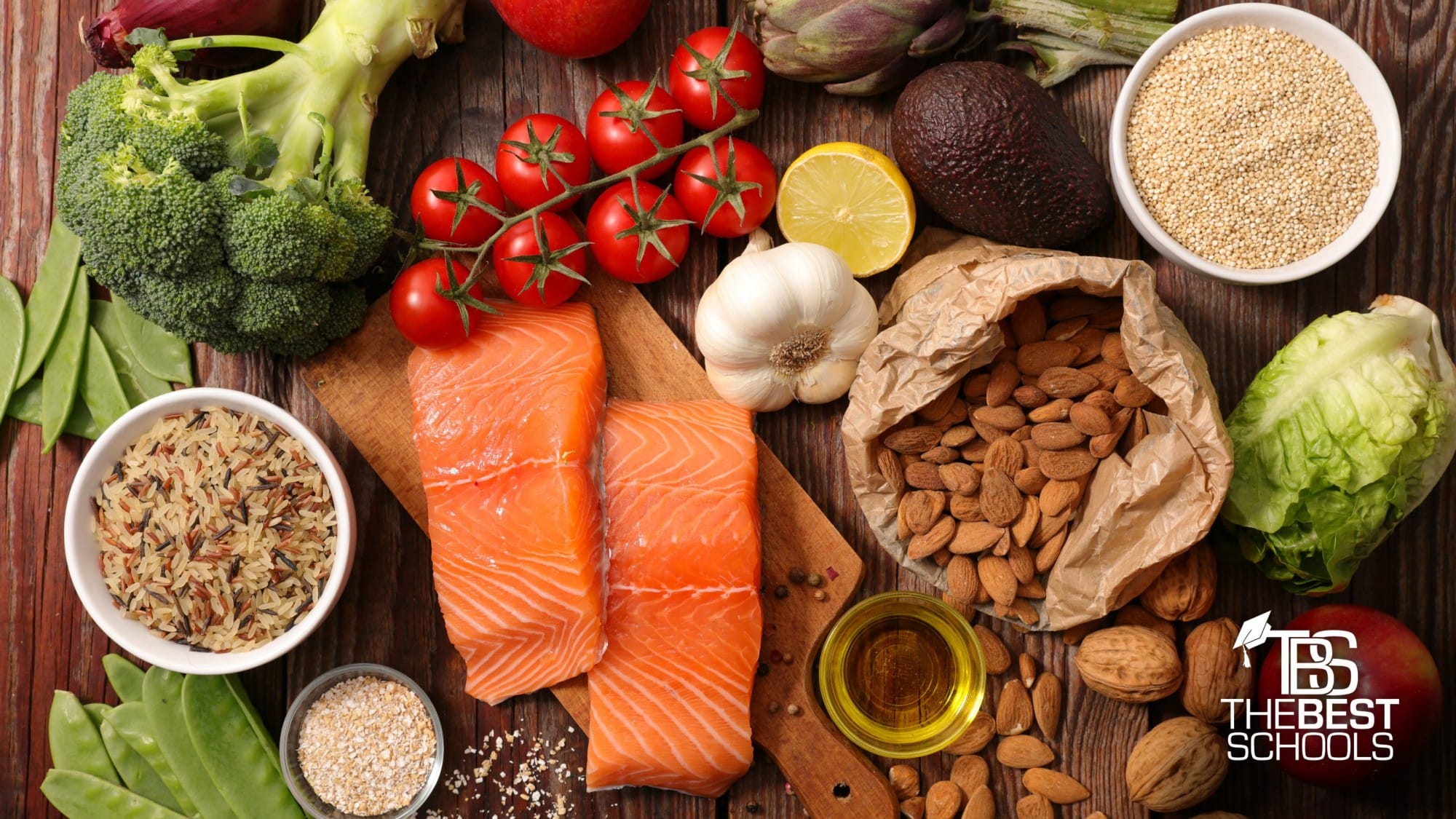
The Importance of Nutrition
Understanding nutrition is crucial for maintaining a healthy lifestyle. Nutrition involves the study of how food affects our bodies, providing the essential nutrients we need to function optimally. These nutrients are vital for growth, repair, and maintaining energy levels. By understanding the basics of nutrition, individuals can make informed choices about their diet, leading to improved overall health. Nutrition is not just about eating; it's about knowing what to eat and in what quantities. A well-balanced diet can prevent numerous health issues, such as obesity, heart disease, and diabetes. It's important to recognize that nutrition needs can vary significantly from one person to another based on factors like age, gender, and activity level.
Macronutrients: The Big Three
Macronutrients are the nutrients that the body requires in larger quantities and include carbohydrates, proteins, and fats. Carbohydrates are the body's primary energy source, fueling daily activities and brain function. They are found in foods like bread, pasta, and fruits. Proteins are essential for building and repairing tissues, making them crucial for muscle health and growth. Foods rich in protein include meat, beans, and dairy products. Fats, though often misunderstood, are vital for hormone production and protecting organs. Healthy fats can be found in nuts, avocados, and olive oil. Balancing these macronutrients is key to a healthy diet, as each plays a unique role in maintaining bodily functions.
Micronutrients: Vitamins and Minerals
While needed in smaller amounts than macronutrients, micronutrients are equally important for health. These include vitamins and minerals that support various bodily functions, from boosting the immune system to strengthening bones. For example, vitamin C is essential for immune health and can be found in citrus fruits, while calcium, vital for bone health, is abundant in dairy products and leafy greens. Iron, found in red meat and beans, is crucial for blood health. A deficiency in any of these micronutrients can lead to health problems, highlighting the importance of a varied diet rich in fruits, vegetables, and whole grains.
The Role of Water
Water is often overlooked in discussions about nutrition, yet it is a critical component of a healthy diet. The human body is composed of about 60% water, which is involved in numerous functions, including temperature regulation, digestion, and nutrient transport. Staying hydrated is essential for maintaining energy levels and cognitive function. Dehydration can lead to headaches, fatigue, and impaired concentration. While the amount of water needed can vary based on factors like climate and physical activity, a general guideline is to drink at least eight glasses a day. Incorporating water-rich foods like cucumbers and watermelon can also help meet hydration needs.
Understanding Dietary Fiber
Dietary fiber is a type of carbohydrate that the body cannot digest, yet it plays a crucial role in maintaining digestive health. Fiber is found in plant-based foods like fruits, vegetables, whole grains, and legumes. It helps regulate the body's use of sugars, keeping hunger and blood sugar in check. A diet high in fiber can prevent constipation, lower cholesterol levels, and reduce the risk of developing heart disease. There are two types of fiber: soluble, which dissolves in water and can help lower glucose levels, and insoluble, which aids in moving material through the digestive system.
The Impact of Processed Foods
Processed foods are often convenient, but they can have a negative impact on health if consumed in excess. These foods are typically high in added sugars, unhealthy fats, and sodium, contributing to various health issues like obesity and heart disease. Understanding the ingredients and nutritional content of processed foods is important for making healthier choices. Opting for whole, unprocessed foods whenever possible is recommended. Cooking meals at home using fresh ingredients can help control the quality of food intake. Awareness and moderation are key when it comes to processed foods, as they can fit into a healthy diet if consumed mindfully.
Building a Balanced Diet
Creating a balanced diet involves incorporating a variety of foods to ensure adequate intake of all essential nutrients. A balanced diet includes a mix of macronutrients and micronutrients, emphasizing whole foods like fruits, vegetables, lean proteins, and whole grains. Portion control is also important to avoid overeating. Listening to the body's hunger cues and eating mindfully can aid in maintaining a healthy weight and preventing chronic diseases. Planning meals ahead of time can help ensure a diverse and nutrient-rich diet. By focusing on balance and variety, individuals can enjoy a healthy relationship with food, supporting both physical and mental well-being.