Understanding the Basics of Artificial Intelligence
Explore the fundamental concepts of AI, its applications, and its impact on various industries in this comprehensive introduction.
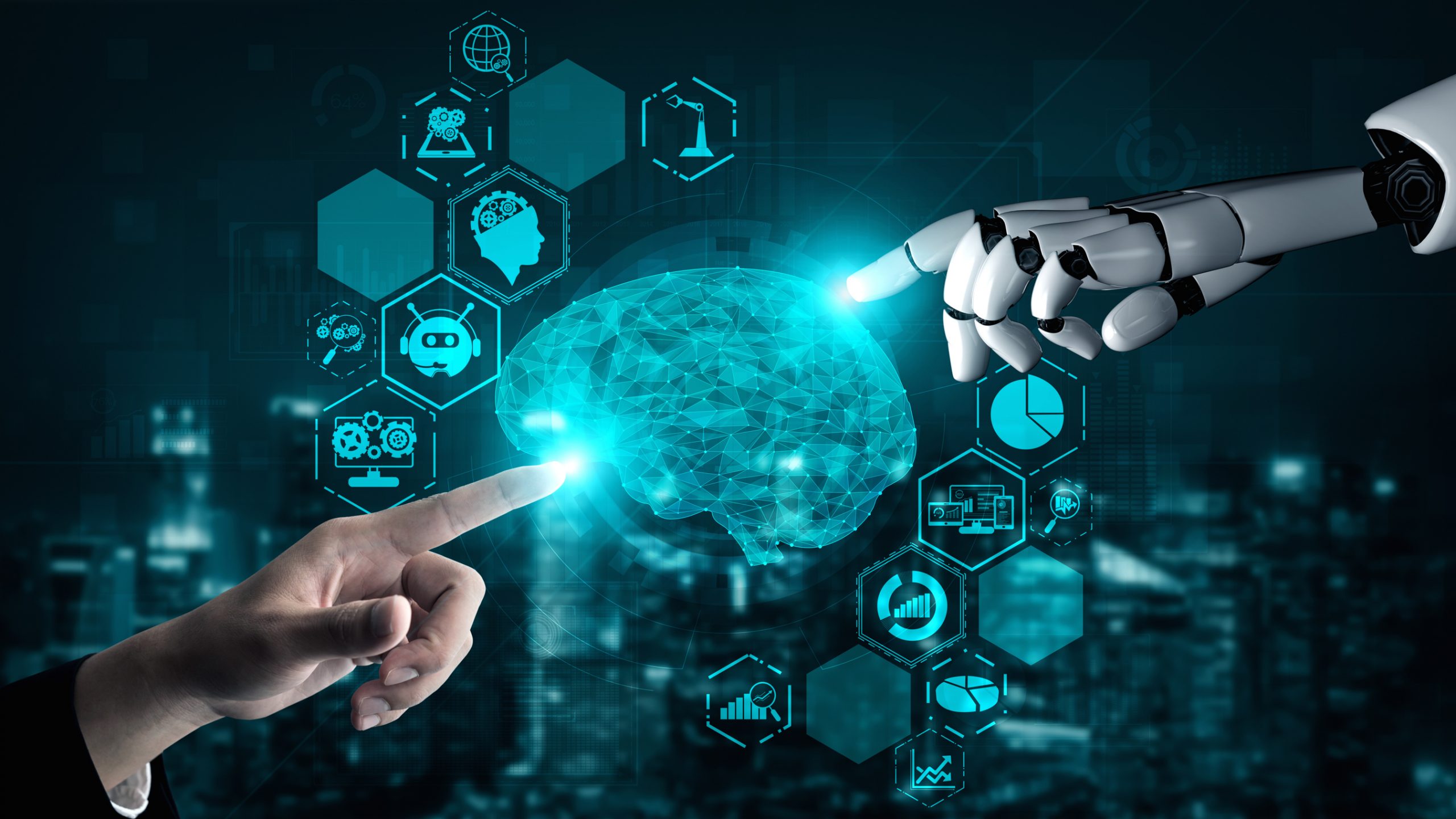
Understanding the Basics of Artificial Intelligence
Introduction to Artificial Intelligence
Artificial Intelligence (AI) is a transformative field within the realm of computers and consumer electronics. It refers to the simulation of human intelligence processes by machines, especially computer systems. These processes include learning, reasoning, and self-correction. The concept of AI is not new; however, its application has grown exponentially due to advancements in computational power and data availability. AI can be found in various everyday applications, from virtual assistants like Siri and Alexa to more complex systems like self-driving cars. Understanding AI involves recognizing its ability to process vast amounts of data quickly and accurately, enabling machines to perform tasks that typically require human intelligence. This introduction sets the stage for a deeper exploration of AI's components, types, and its impact on different sectors.
Key Components of AI
At its core, AI comprises several key components: machine learning, natural language processing, and robotics. Machine learning is a subset of AI that enables systems to learn and improve from experience without being explicitly programmed. This is achieved through algorithms that identify patterns and make decisions based on data input. Natural language processing (NLP) allows computers to understand, interpret, and respond to human language, making interactions with machines more intuitive. Robotics, another essential component, involves designing and building robots capable of performing tasks autonomously or semi-autonomously. Each of these components plays a critical role in the development and implementation of AI technologies, driving innovation across various industries and reshaping the way we interact with technology.
Types of Artificial Intelligence
AI can be categorized into two main types: narrow AI and general AI. Narrow AI, also known as weak AI, is designed to perform a specific task, such as facial recognition or internet searches. These systems operate under a limited set of constraints and cannot perform beyond their predefined functions. In contrast, general AI, or strong AI, refers to a system with the ability to understand, learn, and apply knowledge across a wide range of tasks, similar to human intelligence. While narrow AI is prevalent today and widely used in various applications, general AI remains a theoretical concept and a subject of ongoing research. Understanding these types helps in appreciating the current capabilities and limitations of AI technologies.
Applications of AI in Everyday Life
AI has permeated various aspects of daily life, often in ways that go unnoticed. Smartphones, for example, use AI for features like voice recognition, predictive text, and personalized recommendations. In the healthcare sector, AI assists in diagnosing diseases, analyzing medical images, and developing personalized treatment plans. The financial industry employs AI for fraud detection, algorithmic trading, and risk management. Additionally, AI-driven systems enhance user experiences in e-commerce through personalized shopping recommendations and chatbots. These applications demonstrate AI's versatility and its potential to improve efficiency, accuracy, and convenience across multiple domains. As AI technology continues to evolve, its integration into everyday life is expected to deepen, offering new possibilities and challenges.
The Ethical Considerations of AI
The rapid advancement of AI technology brings about significant ethical considerations. One major concern is the potential for bias in AI algorithms, which can occur if the data used to train these systems is not representative or is inherently biased. This can lead to unfair or discriminatory outcomes. Privacy is another critical issue, as AI systems often require access to vast amounts of personal data to function effectively. Ensuring data protection and respecting user privacy are paramount in the development and deployment of AI technologies. Moreover, the potential impact of AI on employment, with machines capable of performing tasks traditionally done by humans, raises questions about job displacement and the future workforce. Addressing these ethical challenges is essential to harnessing AI's potential responsibly and sustainably.
The Future of Artificial Intelligence
The future of AI holds exciting possibilities and significant challenges. As AI technology continues to advance, it promises to revolutionize industries, enhance productivity, and improve quality of life. Emerging trends such as autonomous vehicles, smart cities, and advanced robotics highlight AI's potential to drive innovation. However, the path forward requires careful consideration of ethical, legal, and social implications. Collaboration between policymakers, technologists, and society at large is crucial to ensure that AI developments align with human values and contribute positively to society. By fostering a balanced approach to AI advancement, we can unlock its full potential while mitigating risks and addressing concerns.
Conclusion
Understanding the basics of AI is essential as it increasingly influences various aspects of our lives. From its key components and types to its applications and ethical considerations, AI presents both opportunities and challenges. As we navigate this technological landscape, it is important to remain informed and engaged with the developments in AI. By doing so, we can better prepare for the changes it brings and actively participate in shaping a future where AI serves as a beneficial tool for humanity. The journey of AI is ongoing, and its impact will continue to evolve, making it an exciting area of exploration and innovation in the field of computers and consumer electronics.