Understanding and Preventing Common Allergies
Learn about common allergies, their causes, symptoms, and effective prevention strategies to improve your health and well-being.
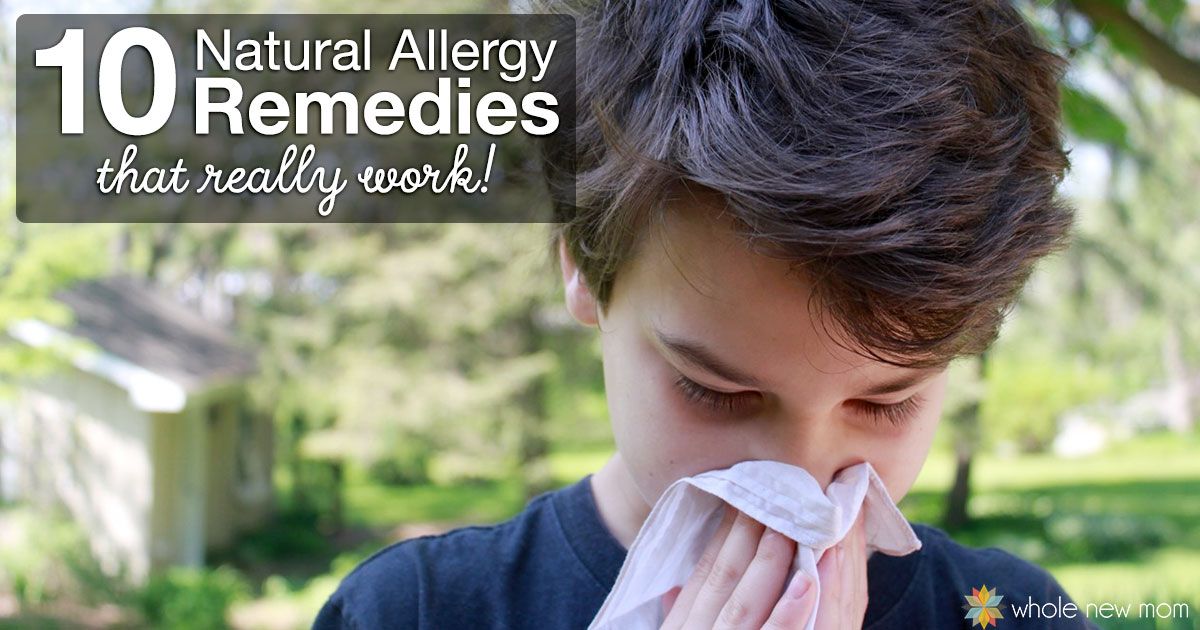
What Are Allergies?
Allergies are immune system reactions to substances that are typically harmless to most people. These substances, known as allergens, can trigger symptoms ranging from mild to severe. Common allergens include pollen, dust mites, mold, pet dander, certain foods, and insect stings. When someone with an allergy comes into contact with an allergen, their immune system mistakenly identifies it as a threat and releases chemicals such as histamines to combat it. This response can lead to symptoms like sneezing, itching, and swelling. Understanding the nature of allergies is the first step toward effective prevention and management.
Common Types of Allergies
There are several types of allergies, each with its own set of triggers and symptoms. Seasonal allergies, also known as hay fever, are caused by pollen from trees, grasses, and weeds. Food allergies can trigger reactions to items like peanuts, shellfish, and dairy products. Skin allergies may result from contact with substances like latex or certain chemicals in cosmetics. Insect sting allergies can cause severe reactions, including anaphylaxis, which requires immediate medical attention. Knowing the different types of allergies can help you identify potential risks and take appropriate precautions.
Symptoms of Allergies
Allergic reactions can manifest in various ways, depending on the type of allergen and the individual's sensitivity. Respiratory symptoms include sneezing, coughing, and a runny or stuffy nose. Skin symptoms may present as rashes, hives, or eczema. Gastrointestinal symptoms can occur with food allergies, leading to nausea, vomiting, or diarrhea. In severe cases, anaphylaxis can cause difficulty breathing, a drop in blood pressure, and loss of consciousness. Recognizing the symptoms early can help in seeking timely medical intervention and preventing complications.
Diagnosing Allergies
Diagnosing allergies typically involves a combination of medical history, physical examination, and specific tests. Skin prick tests are commonly used to identify environmental and food allergens. During this test, small amounts of potential allergens are introduced into the skin to observe reactions. Blood tests, such as the radioallergosorbent test (RAST), measure the presence of allergen-specific antibodies. Elimination diets can help pinpoint food allergies by systematically removing and reintroducing suspected allergens. Accurate diagnosis is crucial for developing an effective management plan.
Preventing Allergies
Preventing allergies involves minimizing exposure to known allergens and taking proactive steps to strengthen the immune system. For seasonal allergies, keeping windows closed during high pollen seasons and using air purifiers can reduce indoor pollen levels. Regular cleaning can help control dust mites and mold. For food allergies, reading labels carefully and avoiding cross-contamination are essential. Wearing protective clothing and using insect repellents can prevent insect sting allergies. Incorporating a balanced diet, regular exercise, and stress management techniques can bolster overall immune health.
Treatment Options
Various treatment options are available to manage allergy symptoms. Antihistamines can relieve sneezing, itching, and runny nose. Decongestants help reduce nasal congestion. Corticosteroids are effective in treating inflammation and severe allergic reactions. Allergy shots, or immunotherapy, gradually desensitize the immune system to specific allergens over time. For immediate relief during severe reactions, epinephrine auto-injectors are life-saving devices. Consulting with a healthcare provider can help tailor a treatment plan that best suits your needs.
Living with Allergies
Living with allergies requires ongoing management and lifestyle adjustments. Creating an allergy-friendly environment at home and work is essential. This may involve using hypoallergenic bedding, maintaining proper ventilation, and avoiding known triggers. Education and awareness are crucial for individuals and their families to recognize symptoms and respond appropriately. Regular check-ups with healthcare providers ensure that your management plan remains effective. With the right strategies, it's possible to lead a healthy and fulfilling life despite having allergies.