Travel Photography: Capturing Memories on the Go
Explore tips and techniques for capturing stunning travel photos that turn fleeting moments into lasting memories.
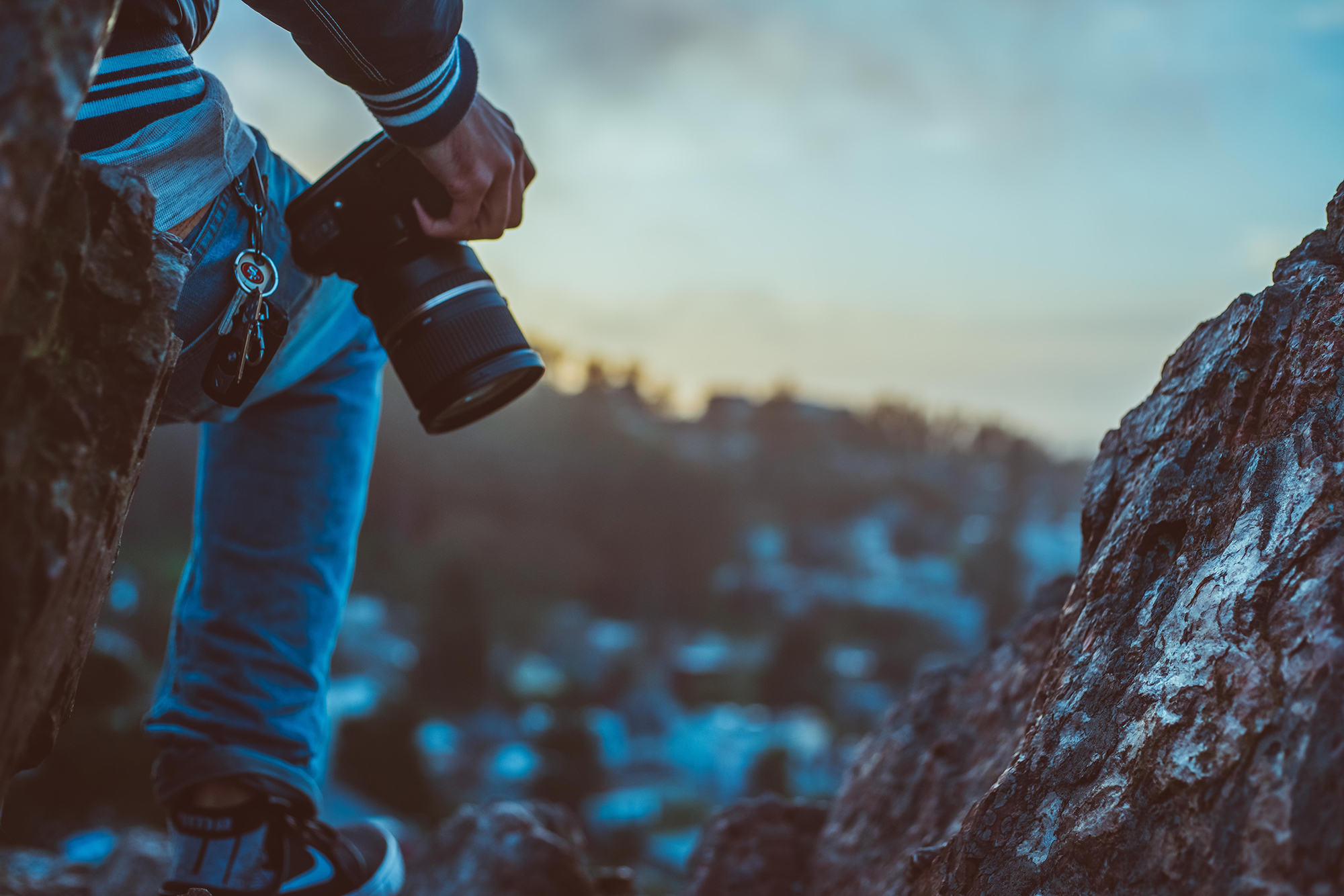
Exploring the World Through Your Lens
Travel photography is an incredible way to capture the essence of the places you visit. It allows you to document your journey, immortalizing the sights and moments that move you. The beauty of travel photography lies in its ability to tell stories without words, evoking emotions and memories with a single shot. Whether you're strolling through bustling markets or wandering along tranquil beaches, your camera becomes an extension of your vision. To excel in this art, it's essential to embrace the spontaneity of the moment. Always be ready to snap the unexpected, and you'll find that the most compelling images often come from unplanned situations.
Choosing the Right Equipment
Selecting the right equipment is crucial for any aspiring travel photographer. While some may argue that a smartphone suffices, investing in a good camera can significantly enhance the quality of your photos. Consider a lightweight DSLR or a mirrorless camera for high-resolution images and versatility. Lenses are equally important; a versatile zoom lens can cover a range of distances, from wide-angle landscapes to intimate portraits. Don't forget accessories like a sturdy tripod for stability in low-light conditions and extra memory cards to store your precious captures. Remember, the best camera is the one you have with you, so choose equipment that suits your style and needs.
Mastering the Art of Composition
Composition is the backbone of compelling travel photography. Understanding the rule of thirds, leading lines, and framing can transform a simple shot into a captivating one. The rule of thirds involves dividing your frame into nine equal sections and placing the subject along these lines or at their intersections. Leading lines guide the viewer's eye through the image, creating depth and interest. Framing involves using elements like arches or foliage to surround your subject, drawing attention to it. Practice these techniques, and you'll notice a significant improvement in your photos. Experimentation is key, so don't be afraid to try new angles and perspectives.
Capturing the Local Culture
One of the most rewarding aspects of travel photography is capturing the richness of local cultures. From traditional festivals to daily life, these moments offer a glimpse into the heart of a place. To photograph people respectfully, engage with them and ask for permission. This not only builds rapport but also results in more genuine and relaxed portraits. Focus on details that highlight cultural uniqueness, such as traditional attire, local crafts, or culinary delights. These images not only preserve your memories but also enrich your understanding of the world.
The Magic of Light
Light is a photographer's best friend, and mastering its nuances can elevate your travel photography. The golden hour, shortly after sunrise or before sunset, offers soft, warm lighting that enhances any scene. Midday light can be harsh, but it can also create dramatic shadows and contrasts. Overcast days provide even lighting, ideal for capturing details without harsh shadows. Learn to work with available light and understand how different times of day affect your images. Experiment with silhouettes and reflections for creative effects. By harnessing the power of light, you can add depth and mood to your photos.
Embracing the Unexpected
Travel is full of surprises, and the ability to adapt to unforeseen situations is a valuable skill for any photographer. Weather changes, unexpected events, or spontaneous encounters can lead to some of your most memorable shots. Stay open to new experiences and be prepared to seize opportunities as they arise. Keep your camera accessible, and don't be afraid to deviate from your planned itinerary. These unexpected moments often lead to unique images that tell a story beyond the typical tourist perspective. Embracing the unexpected adds an element of adventure to your photography.
Editing: The Finishing Touch
Post-processing is an essential step in travel photography, allowing you to enhance and refine your images. Software like Adobe Lightroom or Photoshop offers a range of tools to adjust exposure, color balance, and sharpness. However, it's important to maintain the authenticity of your photos. Over-editing can result in images that look unnatural and lose their impact. Aim for subtle adjustments that enhance the scene without overshadowing it. Develop a consistent editing style that reflects your vision and complements your photographic narrative. Remember, editing should enhance, not alter, the story you captured.
Sharing Your Journey
Once you've captured and edited your travel photos, it's time to share them with the world. Social media platforms, photography blogs, and online galleries are excellent venues to showcase your work. Sharing your journey not only allows others to experience the places you've visited but also connects you with a community of fellow travelers and photographers. Consider adding captions or stories to your images to provide context and engage your audience. By sharing your work, you inspire others to explore and appreciate the beauty of the world, one photo at a time.