Tips for Reducing Monthly Expenses
Discover practical tips to reduce your monthly expenses without sacrificing your lifestyle. Learn how to save money effectively.
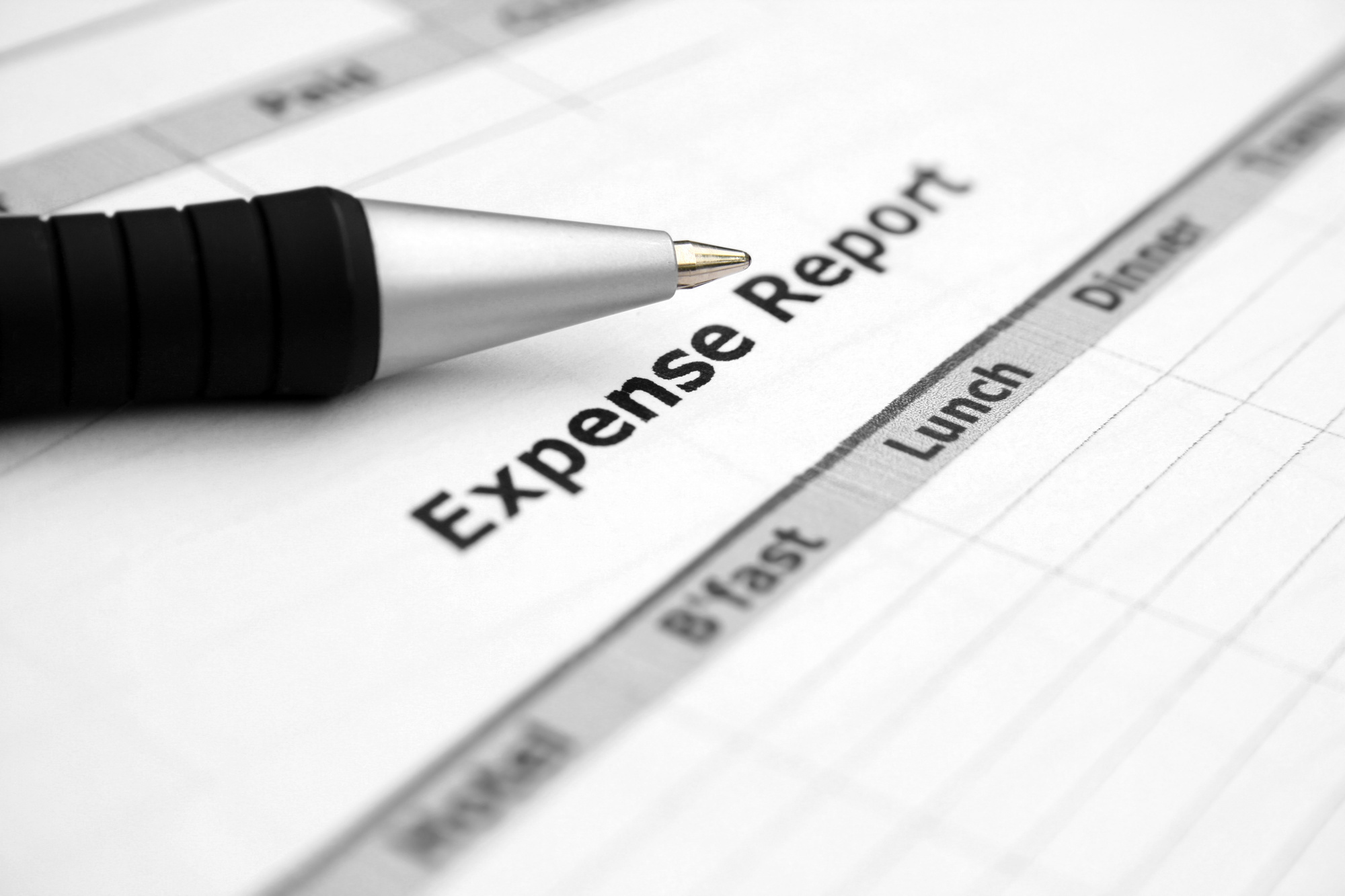
Assess Your Current Spending
The first step to reducing your monthly expenses is to assess your current spending. Take a detailed look at your bank statements and credit card bills to understand where your money is going. Categorize your expenses into needs and wants. Needs include essentials like rent, utilities, and groceries, while wants are non-essential items like dining out, subscriptions, and entertainment. By identifying areas where you can cut back, you'll have a clearer picture of where to make adjustments. Consider using budgeting apps or spreadsheets to track your spending habits and highlight areas for improvement.
Create a Realistic Budget
Once you have a clear understanding of your spending habits, the next step is to create a realistic budget. Allocate specific amounts for each category of expenses and make sure to prioritize your needs over wants. Setting a budget helps you manage your finances more effectively and ensures that you are not overspending. Stick to your budget by making conscious spending decisions and regularly reviewing your progress. Remember, a budget is not set in stone; it can be adjusted as your financial situation changes.
Cut Down on Subscriptions
Subscriptions can quickly add up and become a significant drain on your finances. Cut down on subscriptions by reviewing all the services you are currently subscribed to. Cancel any that you rarely use or can live without. For example, do you really need multiple streaming services, or can you make do with just one? Consider sharing subscriptions with family or friends to split the cost. Additionally, look for free or cheaper alternatives that provide similar benefits. By eliminating unnecessary subscriptions, you can save a considerable amount of money each month.
Cook at Home
Eating out frequently can be expensive. One effective way to reduce your monthly expenses is to cook at home. Preparing meals at home is generally more cost-effective than dining out or ordering takeout. Plan your meals for the week, make a shopping list, and stick to it. Buying groceries in bulk and cooking in larger quantities can also save you money. Not only will you save on food costs, but you'll also have better control over the ingredients, leading to healthier eating habits. Consider batch cooking and freezing meals for convenience on busy days.
Reduce Utility Bills
Utility bills can take up a significant portion of your monthly budget. Reduce utility bills by implementing energy-saving practices. Simple actions like turning off lights when not in use, unplugging electronics, and using energy-efficient appliances can make a big difference. Consider investing in a programmable thermostat to better control your heating and cooling costs. Additionally, check for any leaks or drafts in your home and seal them to prevent energy loss. Reducing your water usage by fixing leaks and installing water-saving fixtures can also lower your utility bills.
Shop Smart
Shopping smart can help you save money on everyday purchases. Shop smart by taking advantage of sales, discounts, and coupons. Plan your shopping trips around sales and stock up on non-perishable items when they are on offer. Consider buying generic or store-brand products instead of name brands, as they are often cheaper but of similar quality. Additionally, avoid impulse buying by making a shopping list and sticking to it. Compare prices online before making a purchase and look for cashback or reward programs that can provide additional savings.
Use Public Transportation
Transportation costs can add up quickly, especially if you rely on a car for your daily commute. Consider using public transportation to save on fuel, maintenance, and parking expenses. Public transportation options like buses, trains, and subways are often more affordable than driving. If public transportation is not a viable option, consider carpooling with colleagues or friends to share the costs. Additionally, explore alternative modes of transportation like biking or walking, which can save you money and provide health benefits.
Negotiate Bills and Contracts
Many people overlook the potential savings that can come from negotiating their bills and contracts. Negotiate bills and contracts with service providers to secure better rates. This includes your internet, cable, phone, and insurance providers. Contact them and ask for discounts, promotions, or lower rates. Sometimes, simply threatening to switch to a competitor can result in a better deal. Additionally, review your contracts regularly and make sure you are not paying for services you no longer need. By taking the time to negotiate, you can significantly reduce your monthly expenses.