The Ultimate Guide to Organic Gardening
Discover sustainable practices, essential tips, and benefits for thriving, chemical-free organic gardens.
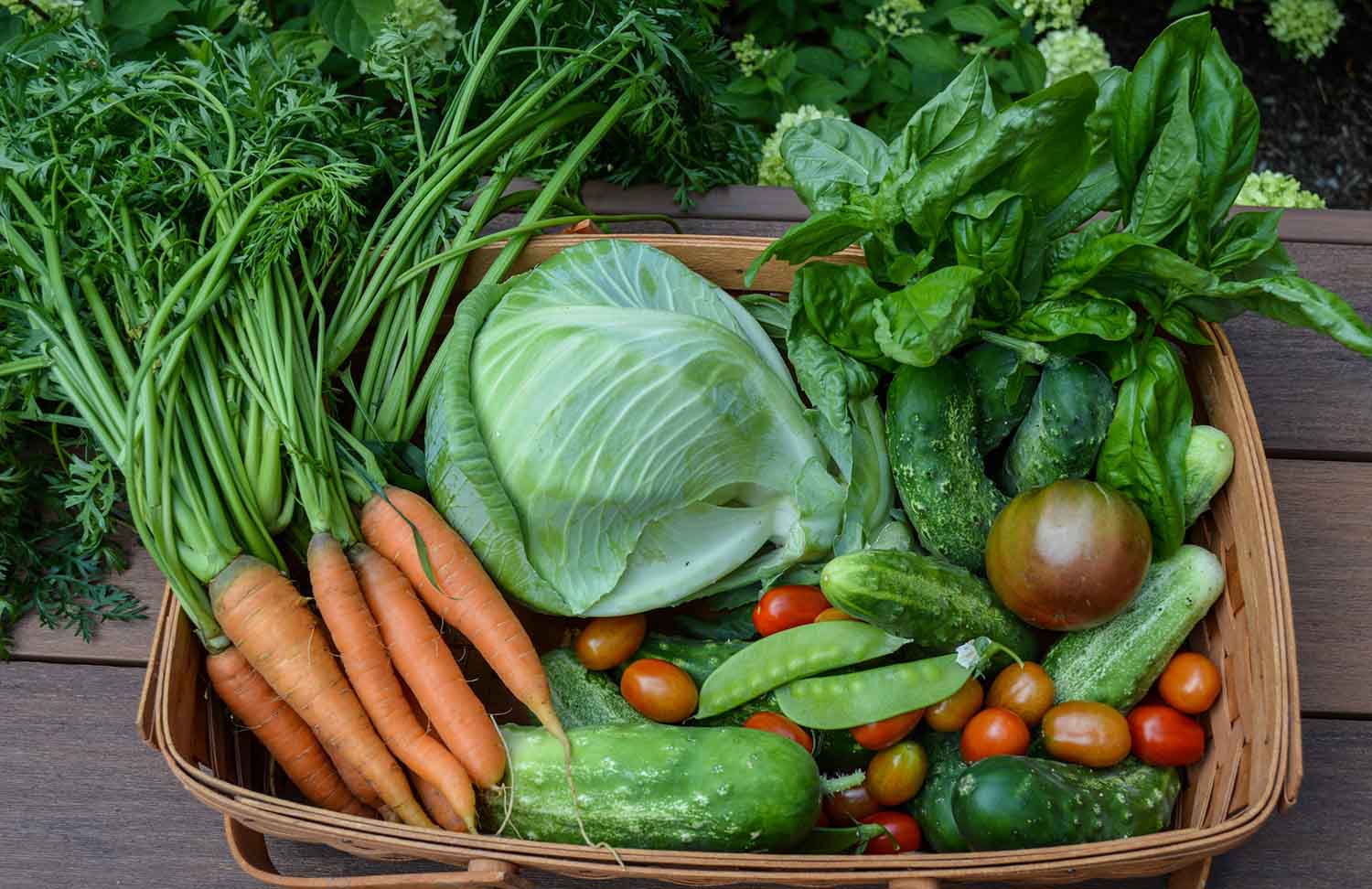
Understanding Organic Gardening
Organic gardening is more than just a method of cultivating plants; it's a philosophy of working in harmony with nature. It avoids synthetic fertilizers and pesticides, focusing on natural processes and cycles. The goal is to create a sustainable and balanced ecosystem in your garden. This approach not only supports the environment but also leads to healthier, more nutritious produce. When you garden organically, you're enriching the soil and encouraging biodiversity, which in turn helps to keep pests and diseases in check naturally. Understanding these principles is crucial for anyone looking to start an organic garden, as it sets the foundation for everything that follows. Organic gardening isn't just about what you avoid using, but about what you actively do to foster a thriving, sustainable environment.
Choosing the Right Location
The success of your organic garden heavily depends on selecting the right location. Plants need adequate sunlight, so look for a spot that receives at least six to eight hours of direct sunlight daily. Consider the soil quality, as well, since rich, well-draining soil is vital for healthy plant growth. If your soil is poor, you can amend it by adding organic matter such as compost or well-rotted manure. Additionally, think about the proximity to a water source, as consistent watering is essential, especially during dry spells. The location should also be convenient for you to access, as regular maintenance is key to a thriving garden. By carefully selecting the right spot, you set the stage for a bountiful and resilient organic garden.
Preparing Your Soil
Healthy soil is the cornerstone of any successful organic garden. Begin by testing your soil to determine its pH and nutrient levels. This information will guide you in making necessary adjustments. Composting is an excellent way to enrich your soil with organic matter. It not only improves soil structure but also enhances its ability to retain moisture and nutrients. Another technique is crop rotation, which helps prevent soil depletion and reduces the risk of pests and diseases. You can also consider cover cropping, which involves planting specific crops to protect and enrich the soil during off-seasons. Regularly adding organic matter and practicing sustainable soil management will ensure that your garden has a robust foundation to support healthy plant growth.
Selecting the Best Plants
When it comes to organic gardening, choosing the right plants is crucial. Opt for native plants or those well-suited to your local climate and soil conditions. These plants are more likely to thrive and require less intervention. Also, consider the plant's resistance to pests and diseases, as some varieties are naturally more resilient. Companion planting is another strategy where you grow plants together that can benefit each other, such as pairing tomatoes with basil to deter pests. Additionally, diversify your garden with a mix of vegetables, herbs, and flowers to encourage a balanced ecosystem. By selecting the right plants, you create a thriving garden that requires minimal chemical intervention.
Watering Wisely
Water is a precious resource, and using it wisely is a fundamental aspect of organic gardening. The key is to water deeply and infrequently, encouraging roots to grow deeper and making plants more drought-resistant. Early morning is the best time to water, as it reduces evaporation and allows plants to absorb moisture before the heat of the day. Drip irrigation systems or soaker hoses can help deliver water directly to the roots, minimizing waste. Mulching is another effective strategy, as it helps retain soil moisture and suppresses weeds. By adopting these water-wise practices, you not only conserve water but also promote healthier plant growth.
Managing Pests Naturally
In organic gardening, managing pests naturally is crucial to maintaining a healthy garden ecosystem. Instead of relying on chemical pesticides, use natural pest control methods such as introducing beneficial insects like ladybugs and predatory wasps, which help keep pest populations in check. Planting a variety of crops can deter pests, as monocultures are more vulnerable to infestations. You can also use physical barriers like row covers or nets to protect your plants. Homemade sprays using ingredients like garlic, neem oil, or soap can be effective against certain pests. By fostering a balanced ecosystem, you create a garden where pests are less likely to become a major problem.
Fertilizing Organically
Organic gardening emphasizes the use of natural fertilizers to enrich the soil and nourish plants. Compost is a fantastic organic fertilizer, providing a balanced mix of nutrients while improving soil structure. Manure, bone meal, and fish emulsion are other excellent organic fertilizers that can enhance plant growth. It's important to apply these fertilizers at the right time and in the right amounts to avoid over-fertilization, which can harm plants and the environment. Regularly feeding your garden with organic fertilizers not only supports healthy plant growth but also contributes to a sustainable gardening practice.
Maintaining Your Organic Garden
Consistent maintenance is key to a thriving organic garden. Regularly inspect your plants for signs of pests or disease, and take action promptly to prevent issues from spreading. Weeding is another important task, as weeds compete with your plants for nutrients and water. Mulching can help suppress weeds and retain soil moisture. Pruning and deadheading encourage healthy growth and flowering. Rotating crops each season can prevent soil nutrient depletion and reduce pest buildup. By dedicating time to these routine tasks, you ensure your garden remains productive and healthy, providing you with abundant harvests and a vibrant ecosystem.