The Importance of Soft Skills in the Workplace
Soft skills like communication, teamwork, and problem-solving are essential in the workplace for career growth and organizational success.
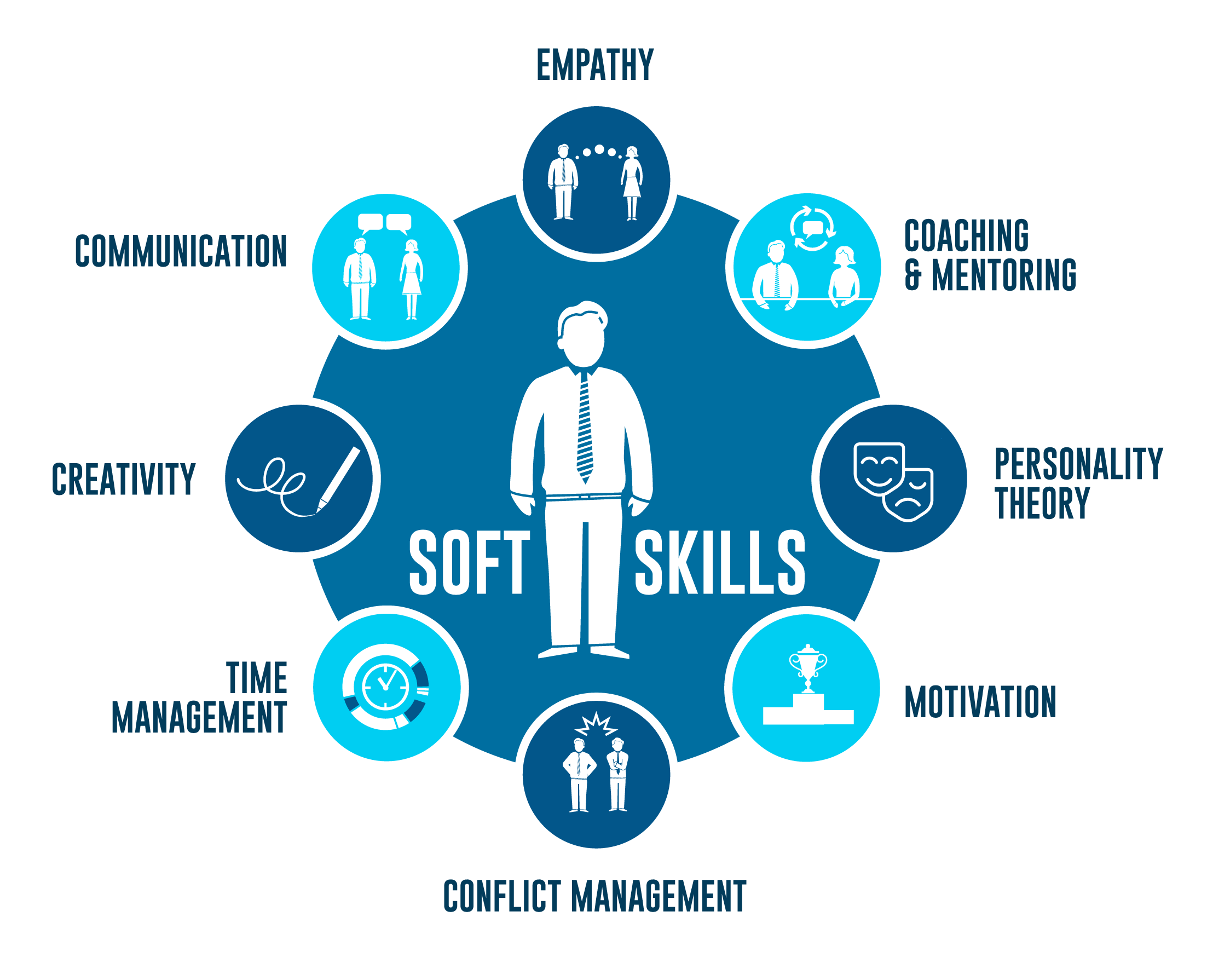
The Foundation of Professional Success
In today's dynamic work environment, possessing strong soft skills is as crucial as having technical knowledge. Soft skills, such as communication, teamwork, and problem-solving, form the bedrock of professional success. They enable employees to interact effectively and harmoniously with others, fostering a collaborative and productive work atmosphere. For instance, an employee with excellent communication skills can convey ideas clearly, reducing misunderstandings and enhancing efficiency. As businesses increasingly prioritize interpersonal skills, cultivating these abilities can significantly impact one's career trajectory.
Enhancing Team Dynamics
Teamwork is indispensable in any organization, and soft skills play a pivotal role in enhancing team dynamics. Effective collaboration requires individuals to listen actively, respect diverse perspectives, and work towards common goals. Soft skills like empathy and adaptability help team members navigate conflicts and build stronger relationships. For example, an adaptable team member can adjust to new roles or changes in the project scope, ensuring the team remains cohesive and productive. Therefore, fostering soft skills within teams can lead to more innovative solutions and a more supportive work environment.
Leadership and Influence
Leadership is not just about managing tasks but also about inspiring and motivating others. Soft skills such as emotional intelligence, confidence, and influence are essential for effective leadership. Leaders with high emotional intelligence can understand and manage their emotions and those of their team members, leading to better decision-making and a more positive work culture. Additionally, the ability to influence and persuade others is crucial for driving initiatives and achieving organizational goals. Thus, soft skills are integral to developing strong leaders who can guide their teams to success.
Adaptability in a Changing Workplace
The modern workplace is characterized by rapid changes and uncertainties. Adaptability and resilience are vital soft skills that enable employees to thrive in such an environment. Adaptable individuals can quickly learn new skills, embrace new technologies, and adjust to shifting priorities. For instance, during organizational restructuring or the adoption of new processes, adaptable employees can seamlessly transition, minimizing disruptions. Resilience helps employees cope with stress and setbacks, maintaining productivity and morale. By nurturing these soft skills, organizations can better navigate changes and sustain long-term success.
Enhancing Customer Relations
Customer satisfaction is a key determinant of business success, and soft skills are instrumental in building strong customer relationships. Skills like active listening, empathy, and conflict resolution enable employees to understand customer needs, address concerns effectively, and provide exceptional service. For example, an empathetic customer service representative can turn a dissatisfied customer into a loyal advocate by addressing their issues with genuine concern and prompt solutions. As businesses strive to enhance customer experiences, employees with strong soft skills become invaluable assets, driving customer loyalty and business growth.