The Connection Between Nutrition and Mental Health
Discover how your diet impacts your mental health and learn about the vital nutrients that can boost your mood and cognitive function.
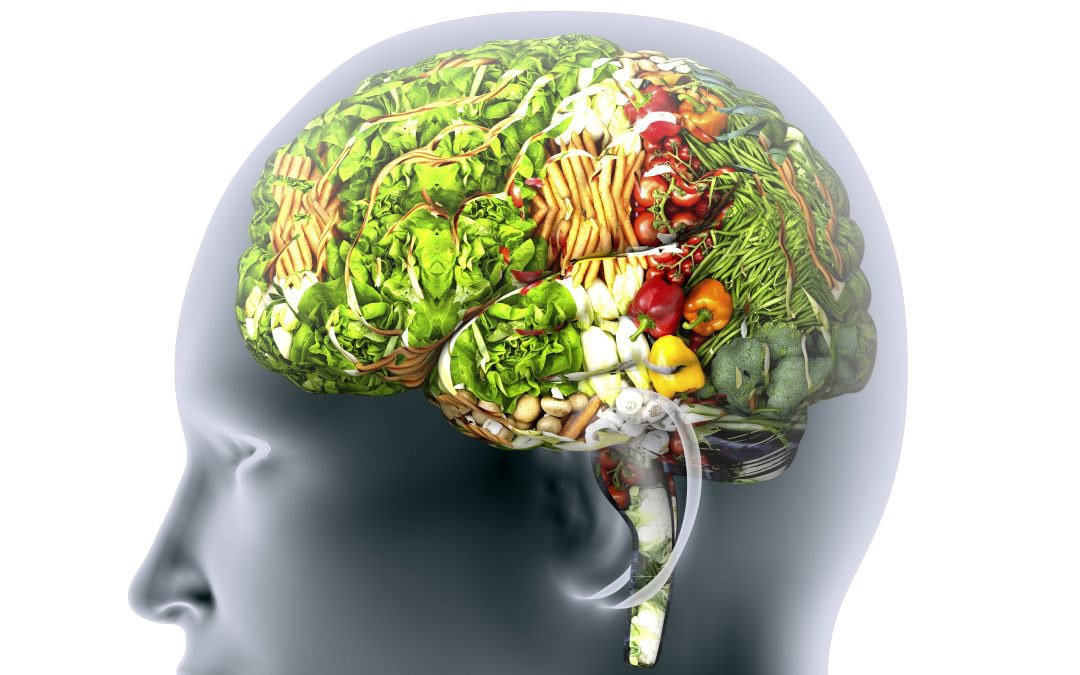
The Importance of Nutrition in Mental Health
The connection between nutrition and mental health is gaining increasing recognition in both scientific research and public awareness. Our brain, like any other organ in the body, requires a variety of nutrients to function optimally. A diet rich in vitamins, minerals, and other essential nutrients can significantly affect how we feel and think. For example, deficiencies in certain vitamins, such as B12 and folate, have been linked to increased risks of depression and other mood disorders. Thus, maintaining a balanced diet is not just about physical health but also about nurturing our mental well-being.
Nutrient Deficiencies and Mental Disorders
Several studies have highlighted the link between nutrient deficiencies and various mental health disorders. Omega-3 fatty acids, found in fish and flaxseeds, are crucial for brain health and have been associated with reduced symptoms of depression and anxiety. Similarly, low levels of iron can lead to fatigue and cognitive impairments, which can exacerbate symptoms of depression. By addressing these deficiencies through diet or supplements, individuals may experience improvements in their mental health. Therefore, it's essential to consider nutrition as a part of a comprehensive approach to mental health care.
The Role of Gut Health
The gut-brain axis is a complex communication network that links the emotional and cognitive centers of the brain with peripheral intestinal functions. The gut microbiota, which consists of trillions of microorganisms, plays a crucial role in this communication. Research has shown that a healthy gut microbiota can positively influence mood and cognitive functions. Consuming a diet rich in fiber, probiotics, and prebiotics can promote a healthy gut, thereby supporting mental health. Foods like yogurt, sauerkraut, and whole grains can help maintain this balance, illustrating the profound impact of diet on both gut and brain health.
The Impact of Sugar and Processed Foods
Excessive consumption of sugar and processed foods has been linked to various mental health issues, including depression and anxiety. These foods can cause spikes and crashes in blood sugar levels, leading to mood swings and irritability. Moreover, diets high in sugar and unhealthy fats can contribute to inflammation, which has been associated with mental health disorders. Reducing the intake of these foods and focusing on a diet rich in whole foods, such as fruits, vegetables, and lean proteins, can stabilize mood and improve overall mental well-being.
The Benefits of Antioxidants
Antioxidants are compounds that help protect the brain from oxidative stress, which can damage brain cells and contribute to mental health disorders. Foods rich in antioxidants, such as berries, nuts, and green leafy vegetables, can help combat this oxidative stress. Incorporating these foods into your diet can support brain health and potentially reduce the risk of mental health issues. The protective effects of antioxidants underscore the importance of a diet rich in fruits and vegetables for maintaining mental well-being.
Hydration and Cognitive Function
Hydration plays a critical role in maintaining cognitive function and overall mental health. Dehydration can lead to impaired concentration, increased feelings of anxiety, and overall cognitive decline. Drinking adequate amounts of water throughout the day ensures that the brain operates efficiently. Including water-rich foods like cucumbers, oranges, and watermelon can also contribute to hydration. This simple yet often overlooked aspect of nutrition highlights how fundamental dietary habits are to mental health.
Practical Dietary Recommendations
To support mental health through nutrition, it is essential to adopt a balanced diet that includes a variety of nutrients. Incorporate lean proteins, healthy fats, whole grains, and a colorful array of fruits and vegetables into your meals. Avoid excessive consumption of processed foods, sugars, and unhealthy fats. Regularly including sources of omega-3 fatty acids, such as fish or flaxseeds, can also be beneficial. Consulting with a healthcare provider or a nutritionist can provide personalized recommendations tailored to individual needs. By making mindful dietary choices, you can take significant steps toward improving both your physical and mental health.