The Benefits of Regular Exercise
Discover the numerous benefits of regular exercise, from improved physical health to enhanced mental well-being and increased longevity.
Physical Health Benefits
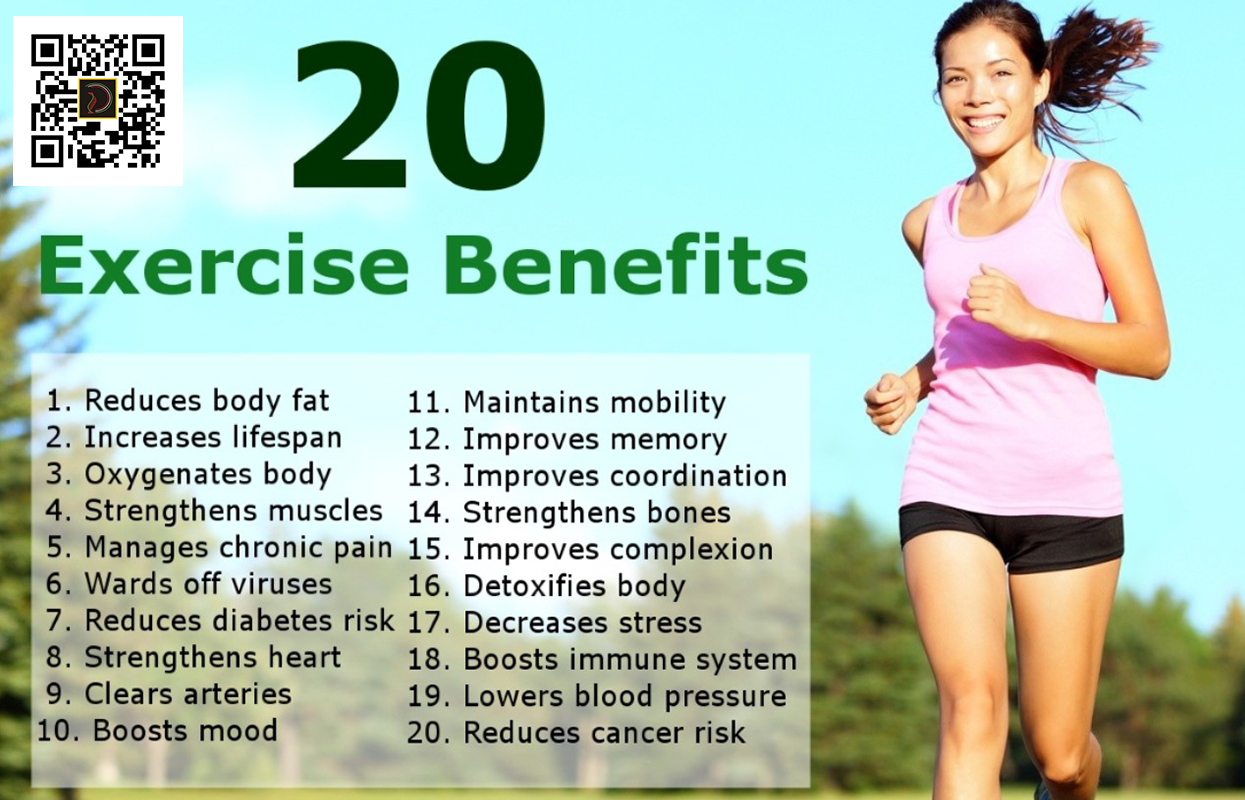
Regular exercise offers numerous physical health benefits that are essential for maintaining a healthy body. Engaging in physical activities like running, swimming, or cycling helps improve cardiovascular health by strengthening the heart and increasing blood circulation. This can lead to a lower risk of heart disease, high blood pressure, and stroke. Additionally, exercise aids in weight management by burning calories and boosting metabolism. It also helps build and maintain muscle mass, which is crucial for overall body strength and mobility. Furthermore, regular physical activity can enhance flexibility and coordination, reducing the risk of injuries and improving overall physical performance.
Mental Health Benefits
Exercise is not only beneficial for the body but also for the mind. Engaging in regular physical activity has been shown to reduce symptoms of depression and anxiety by releasing endorphins, which are natural mood lifters. It also helps decrease stress levels by lowering the body's stress hormones, such as cortisol. Moreover, exercise can improve sleep quality, which is essential for mental well-being. Regular physical activity has been linked to better cognitive function, including improved memory and concentration. This is because exercise increases blood flow to the brain, promoting the growth of new brain cells and enhancing overall brain health.
Boosts Energy Levels
One of the immediate benefits of regular exercise is an increase in energy levels. Physical activity helps improve the efficiency of the cardiovascular system, allowing the heart and lungs to work more effectively. This means that everyday tasks become less tiring, and you have more energy to tackle daily challenges. Exercise also enhances the body's ability to deliver oxygen and nutrients to tissues, which helps the muscles work more efficiently. This increased efficiency translates to higher energy levels and reduced feelings of fatigue. As a result, individuals who exercise regularly often report feeling more energized and alert throughout the day.
Enhances Immune System
Regular exercise can have a positive impact on the immune system, making the body more resilient to illnesses and infections. Physical activity promotes good circulation, which allows the immune system's cells and substances to move through the body more freely and do their job more effectively. Exercise also helps flush bacteria out of the lungs and airways, reducing the chances of getting a cold or flu. Additionally, the temporary rise in body temperature during and after exercise may help prevent bacterial growth and fight infection better. Overall, a well-functioning immune system is one of the many benefits of maintaining a regular exercise routine.
Promotes Longevity
Engaging in regular exercise can significantly promote longevity and improve the quality of life. Studies have shown that individuals who maintain an active lifestyle tend to live longer than those who do not. Exercise helps prevent the onset of chronic diseases such as diabetes, obesity, and certain types of cancer. By keeping the body healthy and functioning optimally, regular physical activity can add years to one's life. Additionally, exercise improves mobility and physical function in older adults, allowing them to maintain independence and a higher quality of life as they age. This makes regular exercise a crucial component of a long and healthy life.
Social Benefits
The social benefits of regular exercise should not be overlooked. Participating in group activities or sports can help build a sense of community and foster social connections. This can lead to improved mental health and a greater sense of belonging. Exercising with others provides motivation and accountability, making it easier to stick to a fitness routine. Social interactions during exercise can also provide emotional support and reduce feelings of loneliness. Whether it's joining a local sports team, attending fitness classes, or simply walking with friends, the social aspect of exercise can enhance overall well-being and contribute to a more fulfilling life.