The Benefits of Continuing Education in Your Career
Continuing education boosts career growth by enhancing skills, increasing job opportunities, and keeping professionals up-to-date with industry trends.
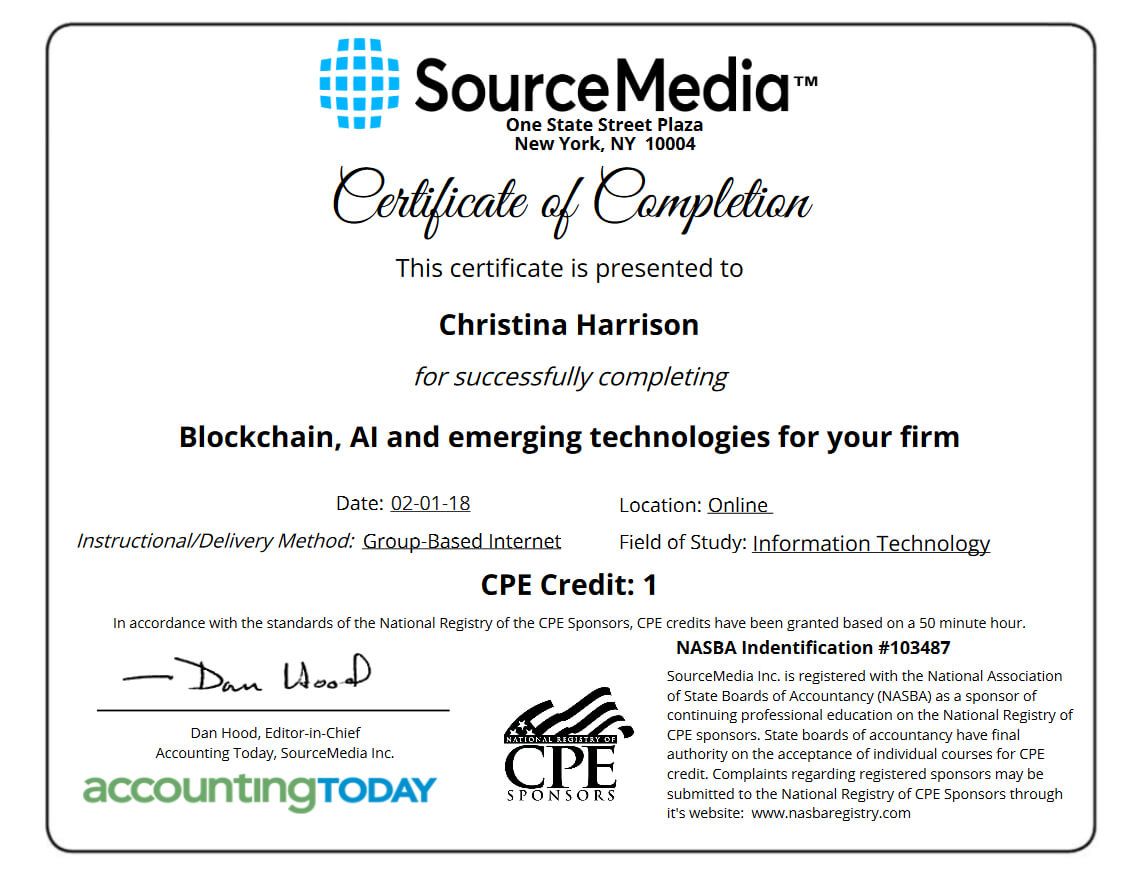
Enhancing Skill Sets
Continuing education allows professionals to enhance their skill sets. In an ever-evolving job market, staying up-to-date with the latest trends and technologies is crucial. By engaging in further education, whether through formal degree programs, certifications, or workshops, individuals can acquire new skills that are relevant to their fields. This not only improves job performance but also opens up opportunities for career advancement. For instance, a marketing professional might learn about the latest digital marketing strategies, thereby increasing their value to their employer and their marketability for future positions. Continuous learning ensures that skills do not become obsolete, making professionals adaptable and resilient in the face of change.
Career Advancement
One of the most compelling benefits of continuing education is the potential for career advancement. Employers often look for candidates who demonstrate a commitment to personal and professional growth. By investing in your education, you show initiative and a desire to excel, which can lead to promotions, raises, and new job opportunities. For example, an IT specialist who earns additional certifications in cybersecurity may qualify for higher-level positions that come with increased responsibilities and pay. Continuing education can also provide the credentials needed to transition into a new role or industry, offering a broader range of career possibilities.
Increased Earning Potential
Continuing education can significantly increase your earning potential. Studies consistently show that individuals with higher levels of education tend to earn more over their lifetimes compared to those with only a high school diploma or an undergraduate degree. Specialized certifications and advanced degrees often lead to higher-paying positions. For instance, a nurse who pursues a master's degree in healthcare administration can move into management roles that offer better compensation. Additionally, employers may offer tuition reimbursement or pay increases as incentives for employees to further their education, making the financial investment in education even more worthwhile.
Networking Opportunities
Engaging in continuing education provides valuable networking opportunities. Classes, seminars, and workshops are excellent venues to meet professionals from various backgrounds and industries. These connections can lead to collaborations, job referrals, and mentorship opportunities. For example, attending a professional conference might introduce you to a future employer or business partner. Building a robust professional network can be instrumental in career development, offering support and guidance as you navigate your career path. Networking also keeps you informed about industry trends and job openings, giving you a competitive edge.
Personal Growth and Satisfaction
Beyond professional benefits, continuing education contributes to personal growth and satisfaction. Learning new subjects and acquiring new skills can be intellectually stimulating and fulfilling. It fosters a sense of accomplishment and boosts self-confidence. For instance, mastering a new programming language or completing a challenging project can provide a significant sense of achievement. This personal growth often translates into increased job satisfaction and a positive attitude towards work. Moreover, the discipline and time management skills developed through continuing education are transferable to all areas of life, enhancing overall well-being.
Staying Competitive
In today's fast-paced job market, staying competitive is essential. Continuing education helps professionals remain competitive by keeping their knowledge and skills current. Industries such as technology, healthcare, and finance are constantly evolving, and professionals who do not keep up may find themselves at a disadvantage. For example, a software developer who continuously learns new programming languages and development frameworks is more likely to stay relevant and in demand. Continuing education also signals to employers that you are proactive and committed to your career, making you a more attractive candidate for new opportunities and promotions. By staying competitive, you ensure long-term career success and stability.