Mental Health: Strategies for Managing Stress
Discover effective strategies for managing stress and enhancing your mental health through practical tips and techniques.
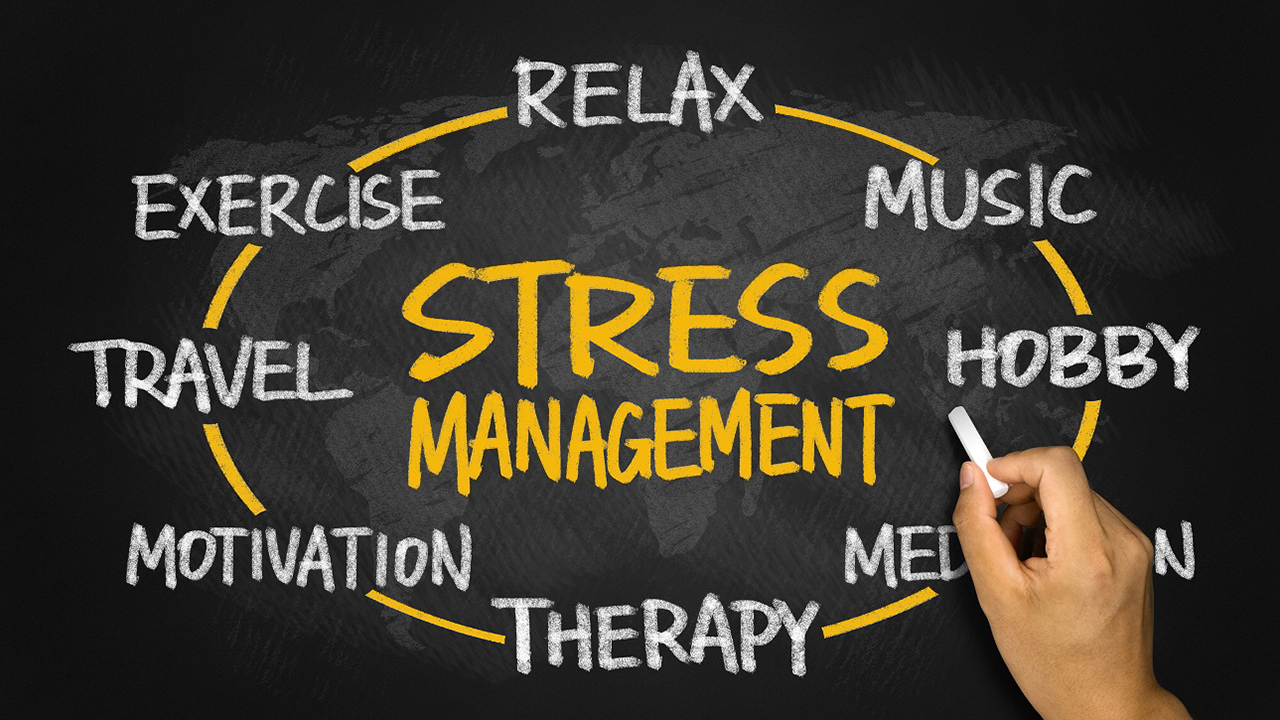
Understanding Stress and Its Impact
Stress is an inevitable part of life, often acting as a natural response to challenging situations. While some stress can be motivating, chronic stress can have serious implications for our mental health. It can lead to anxiety, depression, and a host of physical issues such as high blood pressure and weakened immune function. Recognizing the signs of stress, which can include irritability, fatigue, and difficulty concentrating, is the first step in managing it effectively. Understanding that stress affects everyone differently is crucial; what might be overwhelming for one person could be a minor inconvenience for another. By acknowledging its impact, we can better prepare ourselves to tackle it head-on.
The Power of Physical Activity
Engaging in regular physical activity is one of the most effective ways to manage stress. Exercise releases endorphins, which are natural mood lifters, and can help reduce levels of the body's stress hormones, such as adrenaline and cortisol. Whether it's a brisk walk, a yoga session, or a high-intensity workout, physical activity provides a distraction from daily stressors and promotes a sense of well-being. Additionally, regular exercise improves sleep, which is often disrupted by stress, and enhances overall cognitive function. Finding an activity you enjoy and making it a regular part of your routine can significantly improve your ability to manage stress.
The Role of Mindfulness and Meditation
Mindfulness and meditation are powerful tools for managing stress. These practices involve focusing your attention on the present moment and acknowledging your thoughts and feelings without judgment. Mindfulness can be practiced through meditation, breathing exercises, or simply by paying attention to your surroundings. Research has shown that regular mindfulness practice can reduce symptoms of anxiety and depression, improve concentration, and enhance emotional regulation. By incorporating mindfulness into your daily routine, you can develop a greater sense of control over your stress levels and improve your overall mental health.
Building a Support Network
Having a strong support network is essential for managing stress. Friends, family, and colleagues can provide emotional support, offer different perspectives, and help you navigate challenging situations. Social interactions can also provide a sense of belonging and reduce feelings of isolation, which are often exacerbated by stress. It's important to communicate openly with your support network and let them know how they can help you. Additionally, seeking professional help from a therapist or counselor can provide valuable strategies for coping with stress. Building and maintaining strong relationships can significantly enhance your resilience to stress.
Prioritizing Self-Care
Self-care is crucial for managing stress and maintaining mental health. This involves taking time for activities that promote relaxation and well-being, such as reading, hobbies, or spending time in nature. It's important to set boundaries and make time for yourself, even when life gets busy. Adequate sleep, a balanced diet, and staying hydrated are also key components of self-care. Practicing self-compassion and acknowledging that it's okay to take breaks and say no when necessary can prevent burnout. By prioritizing self-care, you can create a foundation of well-being that makes it easier to manage stress when it arises.