Maximizing Small Spaces: Urban Gardening Tips
Discover innovative strategies to transform your limited urban space into a thriving garden oasis with these expert tips.
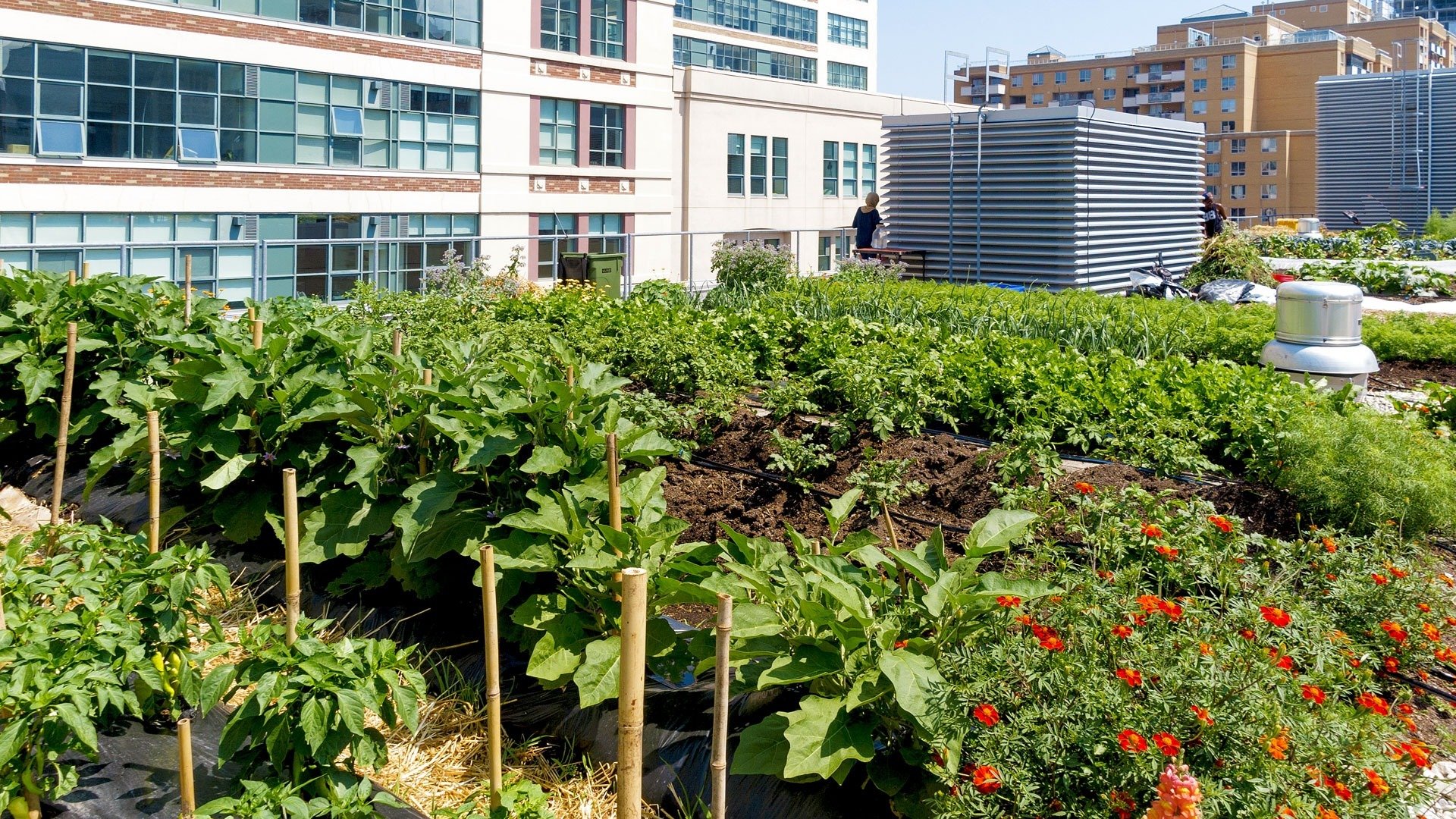
1. Understanding Your Space
Urban gardening begins with a thorough understanding of the available space. Assess your balcony, windowsill, or rooftop to determine how much sunlight each area receives throughout the day. This knowledge is crucial because different plants have varying light requirements. For instance, leafy greens like lettuce and spinach can thrive in partial shade, while tomatoes and peppers need full sunlight. Consider the microclimates within your urban environment, as factors like nearby buildings or walls can influence temperature and wind exposure. By understanding these nuances, you can make informed decisions about what to plant and where. Additionally, don't overlook vertical space; walls and railings can be transformed into lush, green areas with the use of hanging pots or trellises. This strategic use of space is essential for maximizing growth potential in urban settings.
2. Choosing the Right Plants
Selecting the right plants is vital for a successful urban garden. Consider compact or dwarf varieties that are specifically bred for smaller spaces. These plants often require less maintenance and can yield a generous harvest. Herbs such as basil, mint, and chives are excellent choices due to their adaptability and usefulness in the kitchen. When choosing plants, also consider the climate and growing conditions of your area. Native plants or those well-suited to your region's weather patterns will thrive with less effort and resources. Additionally, think about the growth habits of the plants; vining plants like cucumbers or peas can be trained to grow vertically, saving horizontal space. By carefully selecting plants, you can ensure a productive and beautiful urban garden that fits your lifestyle and environmental conditions.
3. Soil and Containers
In urban gardening, the choice of soil and containers is crucial. Since urban environments often lack natural soil, investing in high-quality potting mix is essential. This mix should be rich in nutrients and have good drainage properties to support plant health. Consider containers that are both functional and aesthetically pleasing. Self-watering pots can be a great option for busy urban dwellers, as they reduce the frequency of watering while maintaining optimal moisture levels. Recycled materials, such as wooden crates or old buckets, can also serve as cost-effective and eco-friendly alternatives for planting. Ensure that all containers have adequate drainage holes to prevent waterlogging, which can harm plant roots. By selecting the right soil and containers, you can create a thriving urban garden even in the most limited spaces.
4. Efficient Watering Techniques
Watering is a critical aspect of urban gardening, and efficient techniques can make all the difference. Urban environments often face water restrictions, making conservation techniques vital. Consider using a drip irrigation system or soaker hoses to deliver water directly to the plant roots, minimizing evaporation and waste. Mulching with organic materials like straw or wood chips can also help retain moisture in the soil. Additionally, monitor the weather and adjust your watering schedule accordingly; overwatering can be just as detrimental as underwatering. Collecting rainwater in barrels is another sustainable option, providing a free water source for your garden. By adopting these efficient watering practices, you can maintain a healthy garden while being mindful of water usage.
5. Creating a Sustainable Ecosystem
Urban gardening is not just about growing plants; it's about creating a sustainable ecosystem. Encourage biodiversity by planting a variety of species that attract beneficial insects like bees and ladybugs. These insects help with pollination and pest control, reducing the need for chemical interventions. Incorporate companion planting techniques, where certain plants are grown together to mutually benefit each other. For example, planting marigolds with vegetables can deter pests naturally. Composting kitchen scraps is another way to enhance soil fertility and reduce waste. By fostering a balanced ecosystem, you create a resilient garden that thrives with minimal intervention. This approach not only enhances the beauty and productivity of your urban garden but also contributes positively to the urban environment.