Maximizing Small Spaces: Home and Garden Edition
Learn innovative tips and tricks to make the most of your small home and garden spaces, creating a functional and stylish environment.
Creating Functional Living Areas
Maximizing small spaces in your home starts with creating functional living areas. Think about how you use each room and what activities take place there. Multifunctional furniture, such as a sofa bed or a coffee table with storage, can save space and serve multiple purposes. Consider vertical storage solutions, like shelves and wall-mounted cabinets, to keep your floors clear and your rooms feeling open. Don't forget about the power of mirrors; strategically placing mirrors can make a room appear larger by reflecting light and creating an illusion of depth. Decluttering is also essential; a tidy space looks and feels more spacious. Evaluate your belongings regularly and keep only what you need and love.
Smart Storage Solutions
Smart storage solutions are key to maximizing small spaces. Use under-bed storage boxes for seasonal clothing or extra linens. In the kitchen, maximize cabinet space with stackable containers and shelf risers. Utilize the insides of cabinet doors for additional storage with hooks or small baskets. In the bathroom, consider over-the-toilet shelving or a vanity with built-in storage. Closet organizers, such as hanging shelves or shoe racks, can help you make the most of your wardrobe space. Don't overlook the potential of hidden storage, like benches with lift-up seats or ottomans with interior compartments. These strategies will help keep your home organized and free of clutter.
Outdoor Living on a Small Scale
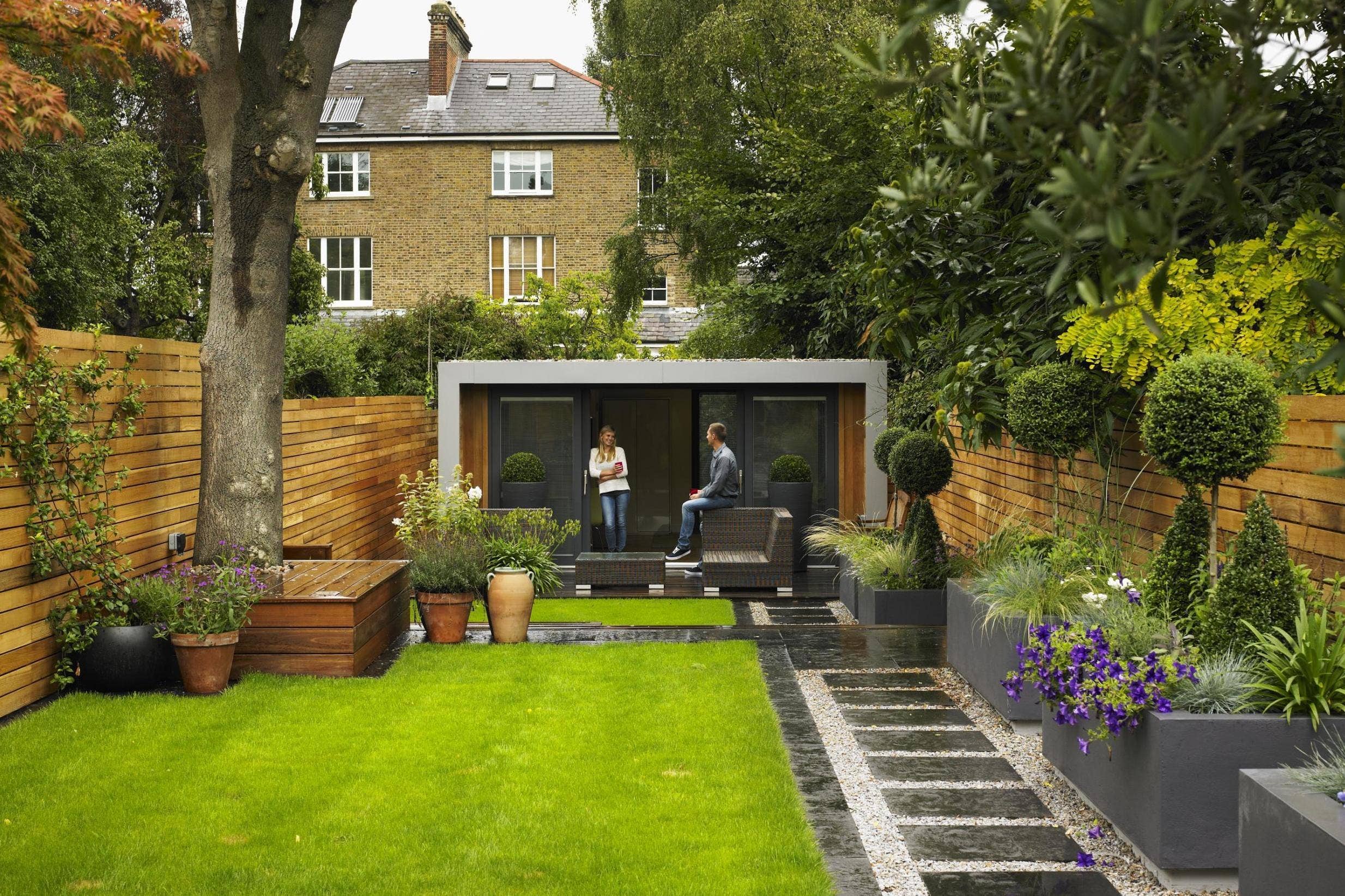
Even if your outdoor space is limited, you can still create a beautiful and functional outdoor living area. Start by choosing compact, multifunctional furniture that can be easily rearranged or stored when not in use. Vertical gardening, such as wall-mounted planters or hanging baskets, can add greenery without taking up valuable floor space. Consider foldable or stackable furniture that can be put away when not in use. Outdoor rugs and lighting can help define the space and make it feel like an extension of your home. Don't forget to incorporate elements that provide shade and privacy, such as a small pergola or tall plants.
Maximizing Natural Light
Maximizing natural light can make a small space feel larger and more inviting. Keep window treatments light and airy to allow as much sunlight as possible to enter the room. Consider using sheer curtains or blinds that can be easily adjusted. Reflective surfaces, like mirrors and glass furniture, can help bounce light around the room. Light-colored walls and ceilings can also enhance the feeling of spaciousness. If natural light is limited, supplement with strategically placed artificial lighting, such as floor lamps, table lamps, and under-cabinet lighting. Layering different types of lighting can create a warm and welcoming atmosphere.
Creative Use of Color
The creative use of color can dramatically impact how spacious a room feels. Light, neutral colors on walls and furniture can make a space feel open and airy. However, don't be afraid to use bold colors strategically to create focal points and add personality to your space. For example, a brightly colored accent wall or piece of furniture can draw the eye and create a sense of depth. Using a consistent color palette throughout your home can also create a cohesive look that feels more spacious. Consider using contrasting colors for trim and moldings to add visual interest and define architectural details.
Incorporating Greenery
Incorporating greenery into your small spaces can enhance the aesthetic and create a sense of tranquility. Indoor plants can purify the air and add a touch of nature to your home. Choose plants that thrive in low-light conditions if your space doesn't get much natural light. Hanging plants or small potted plants on shelves can save floor space while still bringing in greenery. For outdoor areas, consider container gardening or vertical gardens to maximize space. Herbs and small vegetables can be grown in pots or window boxes, providing fresh produce and a green touch to your outdoor space.