Innovative Vertical Gardening Solutions
Discover cutting-edge vertical gardening solutions to maximize space and boost sustainability in urban environments.
Embracing Vertical Gardening
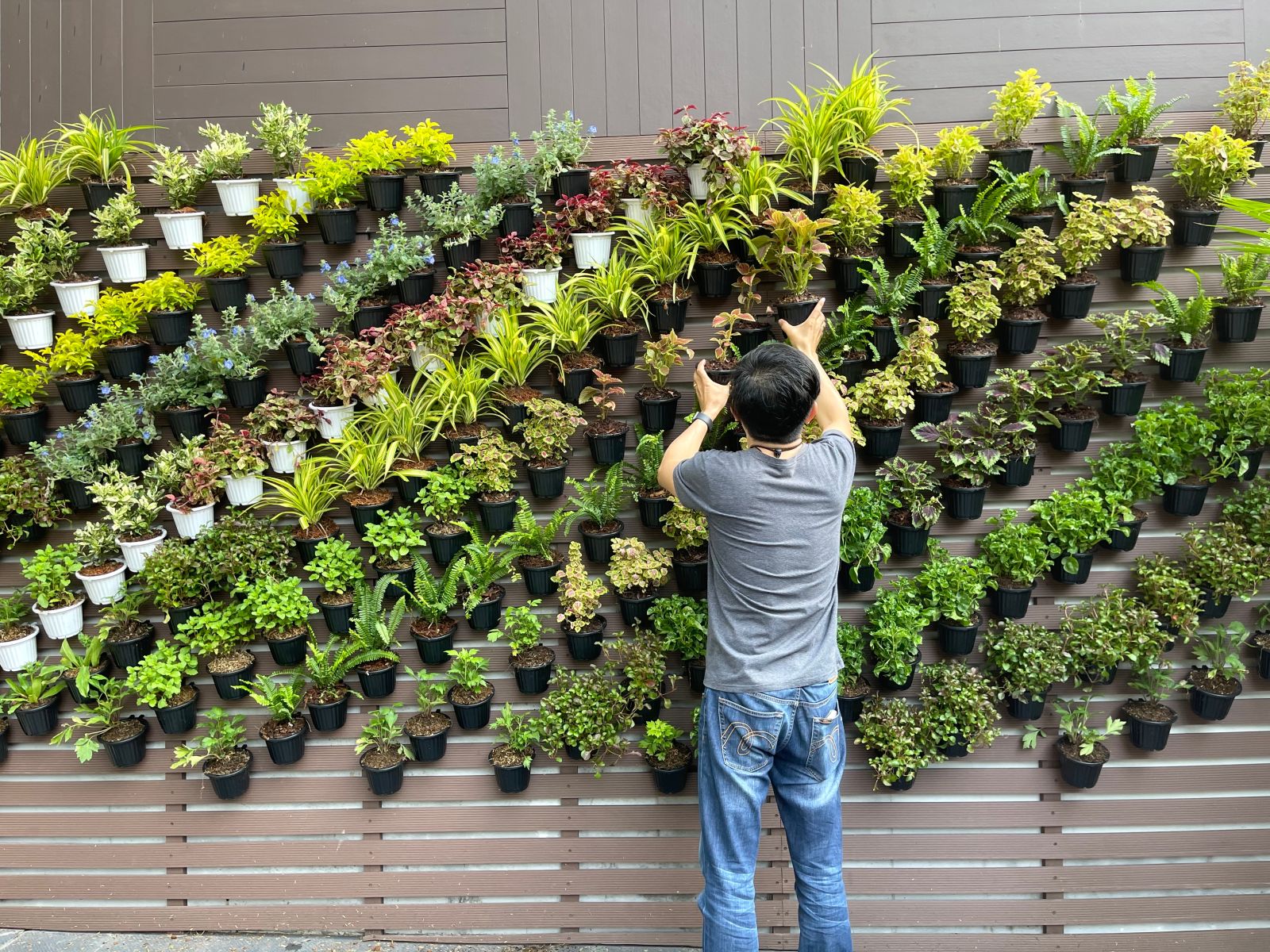
In recent years, vertical gardening has emerged as a revolutionary solution for urban dwellers and garden enthusiasts alike. This innovative approach enables individuals to cultivate plants in vertically stacked layers, making efficient use of limited space. Whether on a balcony, a small backyard, or even indoors, vertical gardens allow people to enjoy the benefits of gardening without needing extensive ground space. This method not only maximizes space but also enhances the aesthetic appeal of the surroundings. By using vertical structures like walls, trellises, and specially designed planters, gardeners can create lush, green environments that promote biodiversity and improve air quality. Vertical gardening is also an excellent way to grow herbs, vegetables, and ornamental plants, providing fresh produce and beauty in compact areas.
Creative Structures and Materials
The success of vertical gardening often depends on the structures and materials used. From simple DIY projects to sophisticated systems, there are numerous ways to create vertical gardens. Recycled materials like old pallets, plastic bottles, or wooden crates can be repurposed into innovative plant holders, offering an eco-friendly solution. Additionally, specialized products such as vertical planters, pocket panels, and modular systems are available, designed specifically for vertical gardening. These systems often incorporate built-in irrigation and drainage solutions, ensuring that plants receive adequate water without the risk of overwatering. When choosing materials, it's essential to consider factors such as durability, weight, and the specific needs of the plants being grown. With the right combination of creativity and practicality, gardeners can design vertical gardens that are both functional and visually appealing.
Choosing the Right Plants
Selecting the appropriate plants for vertical gardening is crucial for achieving a thriving garden. Not all plants are suitable for vertical growth, so it's essential to choose species that can adapt to the unique conditions of a vertical setup. Fast-growing, lightweight plants with shallow root systems are often ideal, as they can thrive without needing extensive soil depth. Popular choices include herbs like basil, thyme, and mint, as well as leafy greens such as lettuce and spinach. For those interested in ornamental plants, ferns, succulents, and climbing vines like ivy or jasmine can add vibrant colors and textures. It's also important to consider the light conditions of the space, as some plants may require more sunlight than others. By selecting the right plants, gardeners can create a lush and diverse vertical garden.
Benefits Beyond Space Saving
While the most apparent advantage of vertical gardening is space optimization, the benefits extend far beyond just saving space. Vertical gardens can significantly enhance the microclimate of an area by improving air quality and providing natural insulation. The plants in a vertical garden absorb carbon dioxide and release oxygen, contributing to a healthier environment. Additionally, they can help reduce noise pollution and provide habitats for beneficial insects and birds. Vertical gardens also offer mental health benefits, as engaging with plants and nature has been shown to reduce stress and improve mood. By bringing greenery into urban spaces, vertical gardening fosters a closer connection with nature, promoting overall well-being.
Sustainability and Future Prospects
As environmental concerns continue to rise, sustainable gardening practices like vertical gardening are becoming increasingly popular. This method encourages the use of sustainable materials and water-efficient systems, aligning with eco-friendly principles. Vertical gardens can also play a role in urban agriculture, contributing to local food production and reducing the carbon footprint associated with transporting produce. As technology advances, the future of vertical gardening looks promising, with innovations such as smart irrigation systems and automated maintenance tools on the horizon. These developments will make vertical gardening more accessible and efficient, enabling more people to adopt this sustainable practice. By embracing vertical gardening, individuals and communities can contribute to a greener, more sustainable future.