How to Recycle or Repurpose Old Electronics
Learn effective ways to recycle or repurpose old electronics, reduce e-waste, and contribute to a sustainable environment.
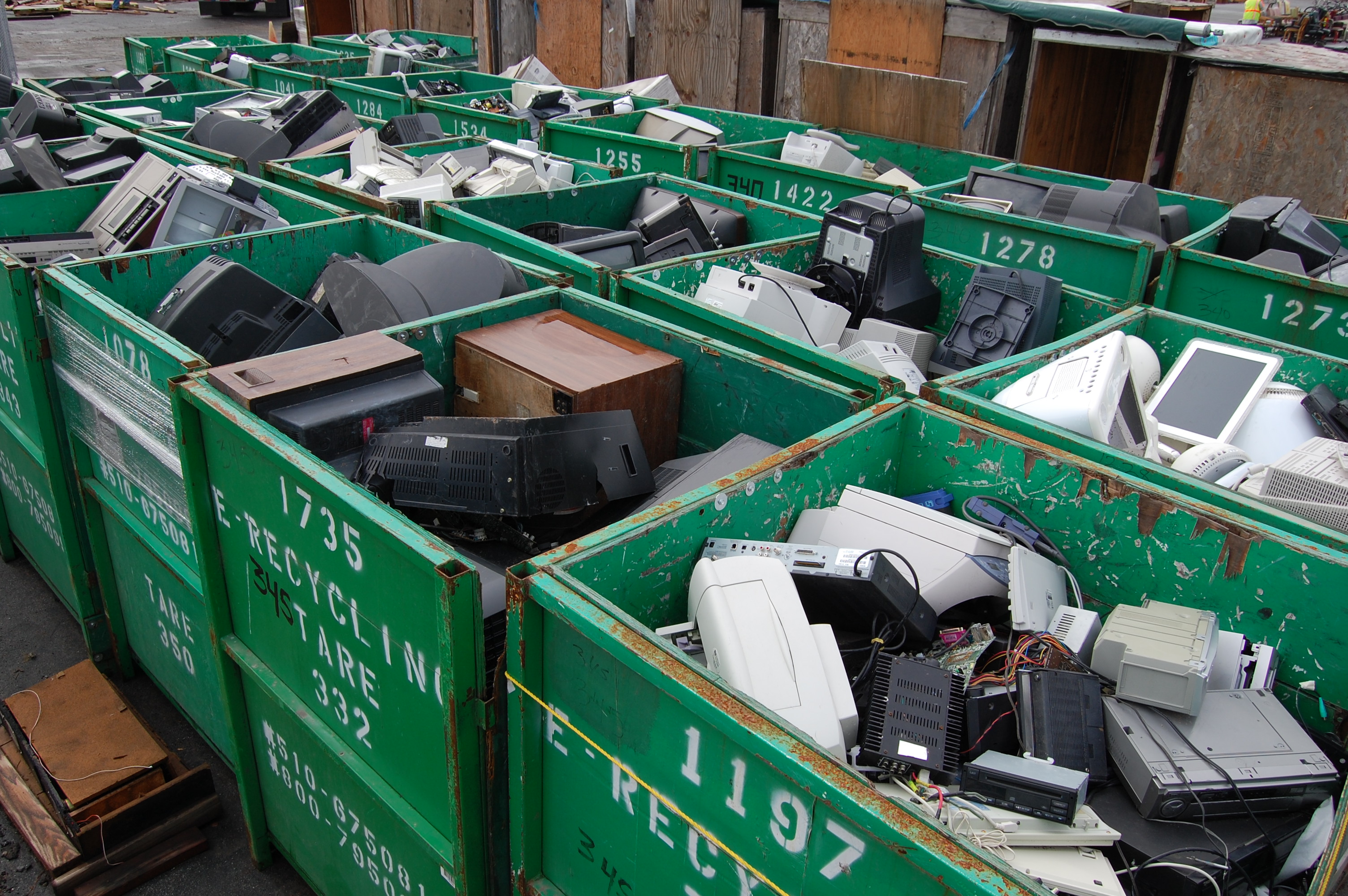
Understanding the Importance of Recycling Electronics
Recycling old electronics is not just about decluttering your home; it's a critical step in protecting our environment. Electronic waste (e-waste) contains hazardous materials like lead, mercury, and cadmium, which can contaminate soil and water if not disposed of properly. By recycling, we can recover valuable materials such as gold, silver, and copper, which can be reused in new products. This reduces the need for mining and the associated environmental impacts. Moreover, recycling helps in conserving natural resources and reduces the greenhouse gas emissions associated with manufacturing new electronics. It's essential to recognize that e-waste is one of the fastest-growing waste streams globally, and taking action to recycle can make a significant difference.
Ways to Recycle Electronics
There are several ways to recycle your old electronics responsibly. Many cities have e-waste recycling programs where you can drop off your items at designated collection points. Retailers often offer take-back programs where you can return old electronics when purchasing new ones. Additionally, some manufacturers have mail-in programs for recycling. It's important to erase all personal data from your devices before recycling them to protect your privacy. Many recycling centers offer data destruction services. By participating in these programs, you ensure that your old electronics are handled by professionals who can safely extract and recycle valuable materials.
Repurposing Old Electronics
If your old electronics are still functional, consider repurposing them instead of recycling. For example, an old smartphone can be used as a dedicated music player, a GPS device, or a security camera. Old tablets can serve as e-readers or digital photo frames. Repurposing not only gives a new life to your gadgets but also reduces the demand for new products, thereby lessening the environmental impact. Get creative and think about how your old devices can be transformed into something useful. Repurposing can be a fun and rewarding project, and it helps extend the life cycle of your electronics.
Donating Usable Electronics
Another excellent option is to donate your usable electronics to schools, non-profit organizations, or community centers. Many organizations are in constant need of electronic devices for educational purposes or to support their operations. By donating, you provide access to technology for those who may not afford it otherwise. Ensure that the devices are in good working condition and that all personal data has been removed. Donations can have a positive impact on the community and help bridge the digital divide. It's a simple yet powerful way to give back and make a difference.
Upgrading and Trading In
Before deciding to recycle, consider if an upgrade or trade-in program might be a better option. Many electronics manufacturers and retailers offer trade-in programs where you can exchange your old devices for credit towards a new purchase. This can be a cost-effective way to upgrade your technology while ensuring that your old devices are recycled responsibly. Upgrading can also mean adding new components to your existing device to improve its performance, such as increasing RAM or adding a new hard drive. These options can extend the life of your electronics and reduce the need for new resources.
Educating Yourself and Others
Lastly, it's crucial to educate yourself and others about the importance of recycling and repurposing old electronics. Share information with friends and family about the environmental impacts of e-waste and the benefits of recycling. Advocate for better e-waste management policies in your community and support organizations that promote sustainable practices. The more people are aware of the issue, the more collective impact we can make. By spreading knowledge and taking action, we contribute to a healthier planet and a more sustainable future for all.