How to Create a Wildlife-Friendly Garden
Transform your garden into a haven for wildlife with these practical tips on planting, shelter, and water features.
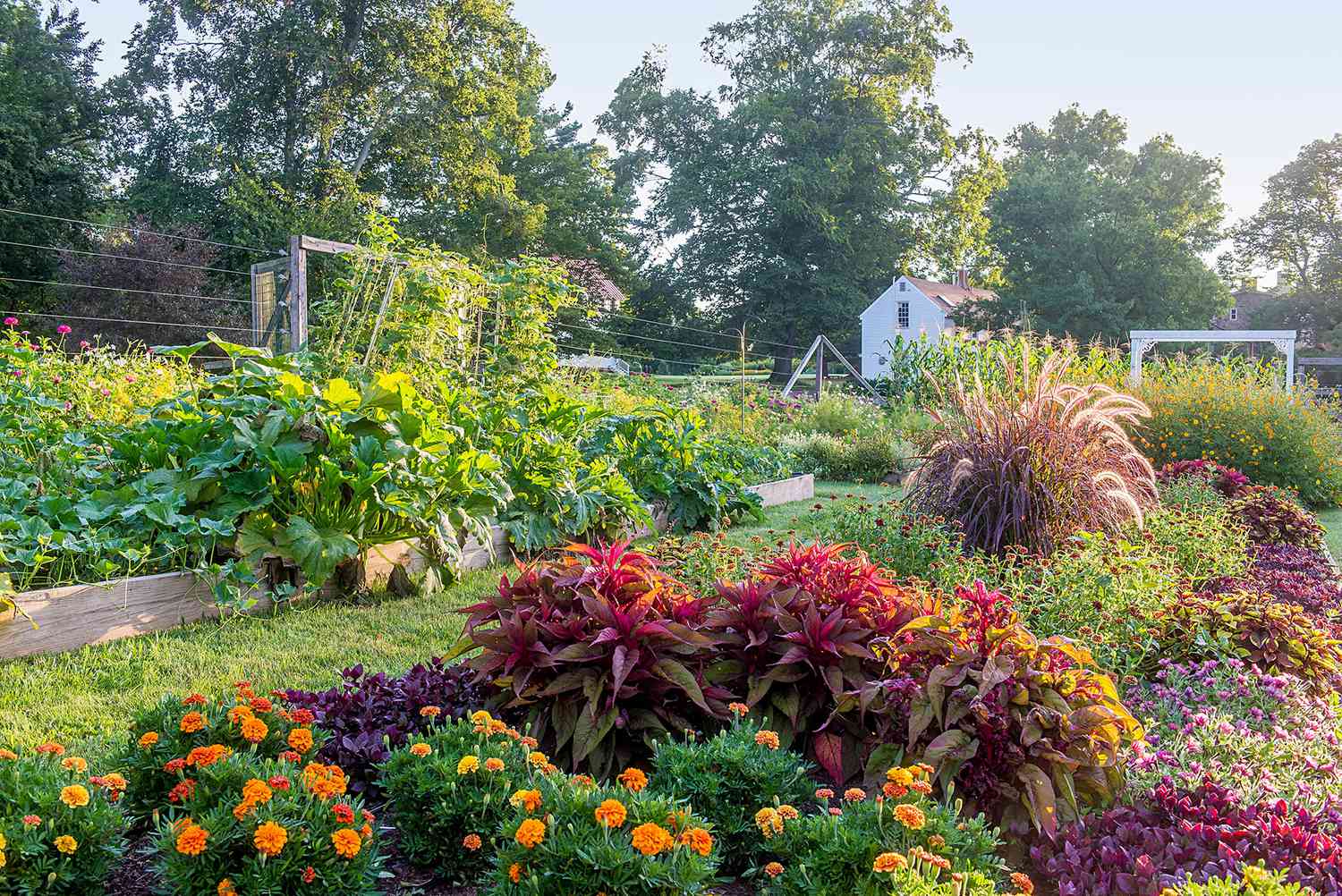
Understanding the Basics of a Wildlife-Friendly Garden
Creating a wildlife-friendly garden starts with understanding the needs of the local fauna. The goal is to make your garden a haven for a variety of species, from birds and butterflies to small mammals and insects. To achieve this, consider the basic elements such as food, water, shelter, and space. By providing these essentials, you create an environment where wildlife can thrive. Think about planting native species, as they are more likely to attract local wildlife and require less maintenance. Understanding the basics sets the foundation for a thriving ecosystem right in your backyard.
Choosing the Right Plants
Selecting the appropriate plants is crucial for a wildlife-friendly garden. Native plants are always a good choice as they are adapted to the local climate and soil conditions, making them easier to grow and maintain. Additionally, they provide the right type of nectar, seeds, and berries that local wildlife depend on. Consider including a mix of flowering plants, shrubs, and trees to offer a variety of food sources throughout the year. Plants like milkweed, coneflowers, and elderberries can attract butterflies, bees, and birds, respectively. The diversity in plant life will help support a broader range of wildlife.
Providing Water Sources
Water is a critical resource for wildlife, and incorporating water features into your garden can make it more attractive to various species. A simple birdbath, a small pond, or even a shallow dish can serve as a water source. Ensure that the water is clean and fresh, and place it in a safe, accessible location. Adding aquatic plants can further enhance the habitat by providing cover and breeding grounds for insects and amphibians. In colder climates, consider using a heated birdbath to ensure water availability during winter months. Providing water sources can dramatically increase the number of wildlife visitors to your garden.
Creating Shelter and Nesting Sites
Shelter is essential for wildlife to feel safe and to reproduce. Nesting boxes, dense shrubs, and log piles can offer excellent shelter and nesting sites. Different species have different requirements; for example, birds might prefer nesting boxes, while hedgehogs and insects might benefit from log piles or leaf litter. Planting evergreen shrubs can provide year-round cover, and leaving some areas of the garden a bit untidy can offer additional hiding spots. Creating these shelters ensures that your garden can support wildlife through different seasons and life stages.
Avoiding Chemicals and Pesticides
To truly make your garden a sanctuary for wildlife, it's important to avoid chemicals and pesticides. These substances can be harmful to the very creatures you are trying to attract. Instead, opt for organic gardening methods and natural pest control techniques. For example, introducing beneficial insects like ladybugs can help control aphid populations. Using compost and mulch can improve soil health and reduce the need for chemical fertilizers. By eliminating harmful chemicals, you create a safer environment for wildlife and promote a healthier ecosystem overall.
Maintaining Your Wildlife Garden
Once your garden is set up, regular maintenance is essential to keep it thriving. This includes watering plants, cleaning water features, and occasionally pruning shrubs and trees. However, it's important to strike a balance between tidiness and allowing nature to take its course. Leaving some fallen leaves, dead wood, and seed heads can provide food and shelter for wildlife. Observing the activity in your garden can also give you insights into what's working and what might need adjustment. Regular maintenance ensures that your garden remains a welcoming habitat for wildlife year-round.