How to Choose the Perfect Laptop for Your Needs
Discover essential tips and factors to consider when selecting the ideal laptop tailored to your specific needs.
Understanding Your Purpose
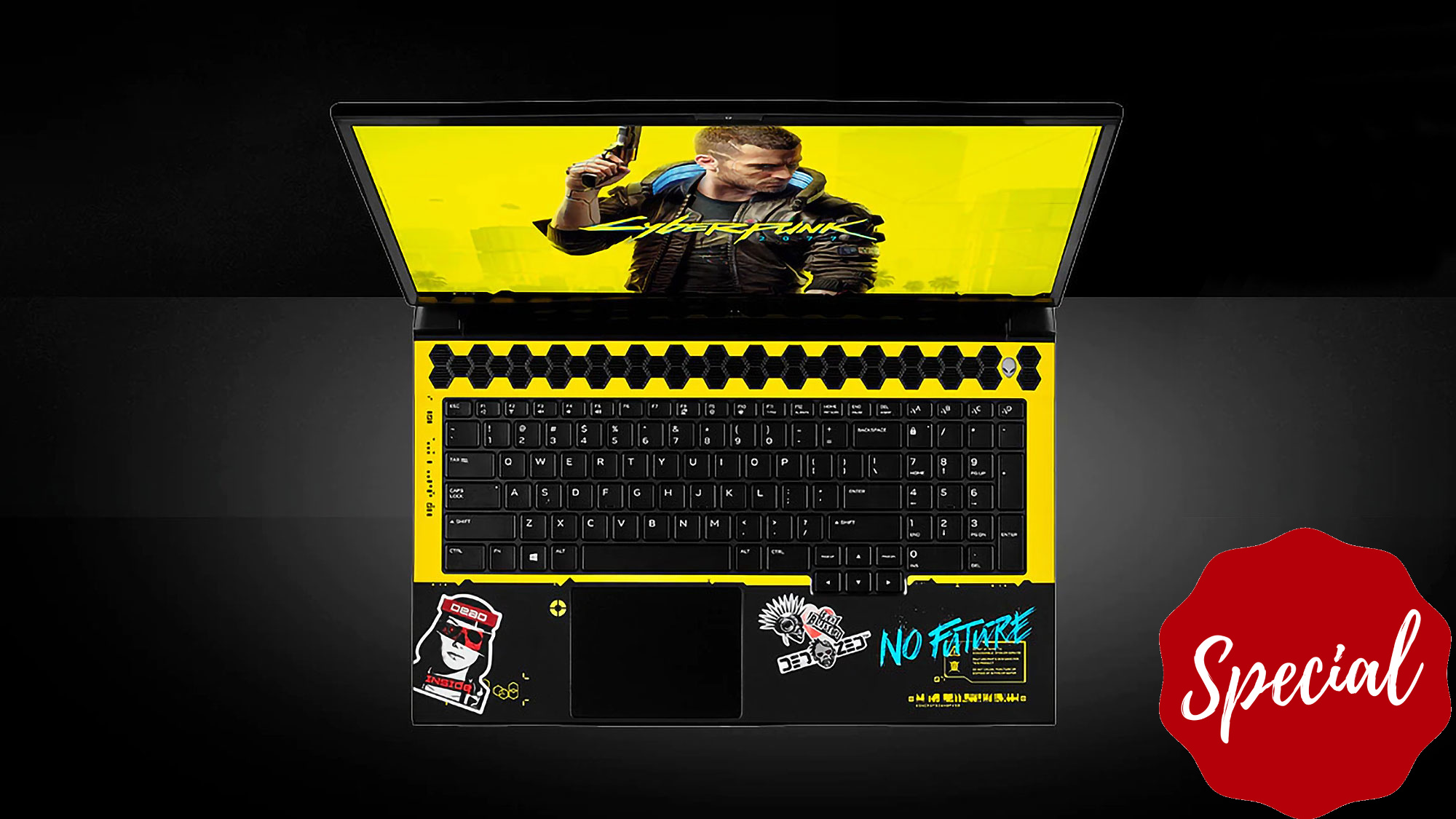
When selecting a laptop, the first step is to clearly define its intended purpose. Whether you're a student, a professional, a gamer, or a creative, your usage will dictate the type of laptop you need. For instance, students may prioritize portability and battery life for easy transport between classes, while professionals might require performance and security features for handling demanding applications. Gamers, on the other hand, will need a laptop with a high-refresh-rate display and a powerful GPU to handle the latest titles. Creative professionals often seek out laptops with color-accurate displays and ample storage for their projects. By understanding your primary usage, you can narrow down your options and focus on the features that will truly enhance your experience.
Evaluating Specifications
Once you have determined your laptop's purpose, it's crucial to understand the specifications that meet your needs. Key components include the processor (CPU), memory (RAM), storage type, and graphics card (GPU). A robust CPU, like an Intel Core i7 or AMD Ryzen 7, is essential for multitasking and demanding software. Adequate RAM, typically 8GB or more, ensures smooth performance. Solid-state drives (SSDs) are preferable for faster load times compared to traditional hard drives. If you require graphics-intensive applications or gaming, a dedicated GPU is necessary. Consider your future needs as well; investing in a laptop with upgradable components can extend its lifespan, allowing you to boost performance as technology advances.
Choosing the Right Operating System
The operating system (OS) is a crucial element in your laptop selection, as it affects software compatibility and user experience. The most common OS options are Windows, macOS, and Linux. Windows is known for its versatility and broad software support, making it suitable for a wide range of users. macOS is often favored by creative professionals for its seamless integration with other Apple devices and software. Linux, while less mainstream, offers customization and is favored by developers and tech enthusiasts. Each OS has its unique advantages and limitations, so it's important to consider which environment you're most comfortable with and what software you need to run.
Considering Portability and Design
Portability and design are vital considerations, especially if you need a laptop for travel or frequent movement. The laptop's weight, size, and build quality can significantly impact your comfort and productivity. Ultrabooks and 2-in-1 laptops offer lightweight and versatile solutions, often weighing less than 3 pounds. Screen size also plays a role; a 13-inch display provides a balance between portability and usability, while larger screens offer better visibility for creative work. Build quality, including the material and durability of the chassis, should not be overlooked, particularly if the laptop will be used in varied environments. Look for laptops with robust hinges, quality keyboards, and responsive touchpads to ensure a pleasant user experience.
Budgeting and Future-Proofing
Finally, it's essential to set a realistic budget while considering future-proofing your investment. While premium laptops offer cutting-edge features and performance, there are many mid-range options that provide excellent value. Prioritize the features most important to your needs and allocate your budget accordingly. It's also wise to consider future-proofing your laptop by selecting models with upgradable RAM or storage. This flexibility allows you to enhance performance as your needs evolve without replacing the entire device. Research and compare models within your budget to ensure you're making an informed decision that balances current needs with potential future requirements.