How to Build a Raised Garden Bed
Learn how to build a raised garden bed with this step-by-step guide, perfect for enhancing your home gardening experience.
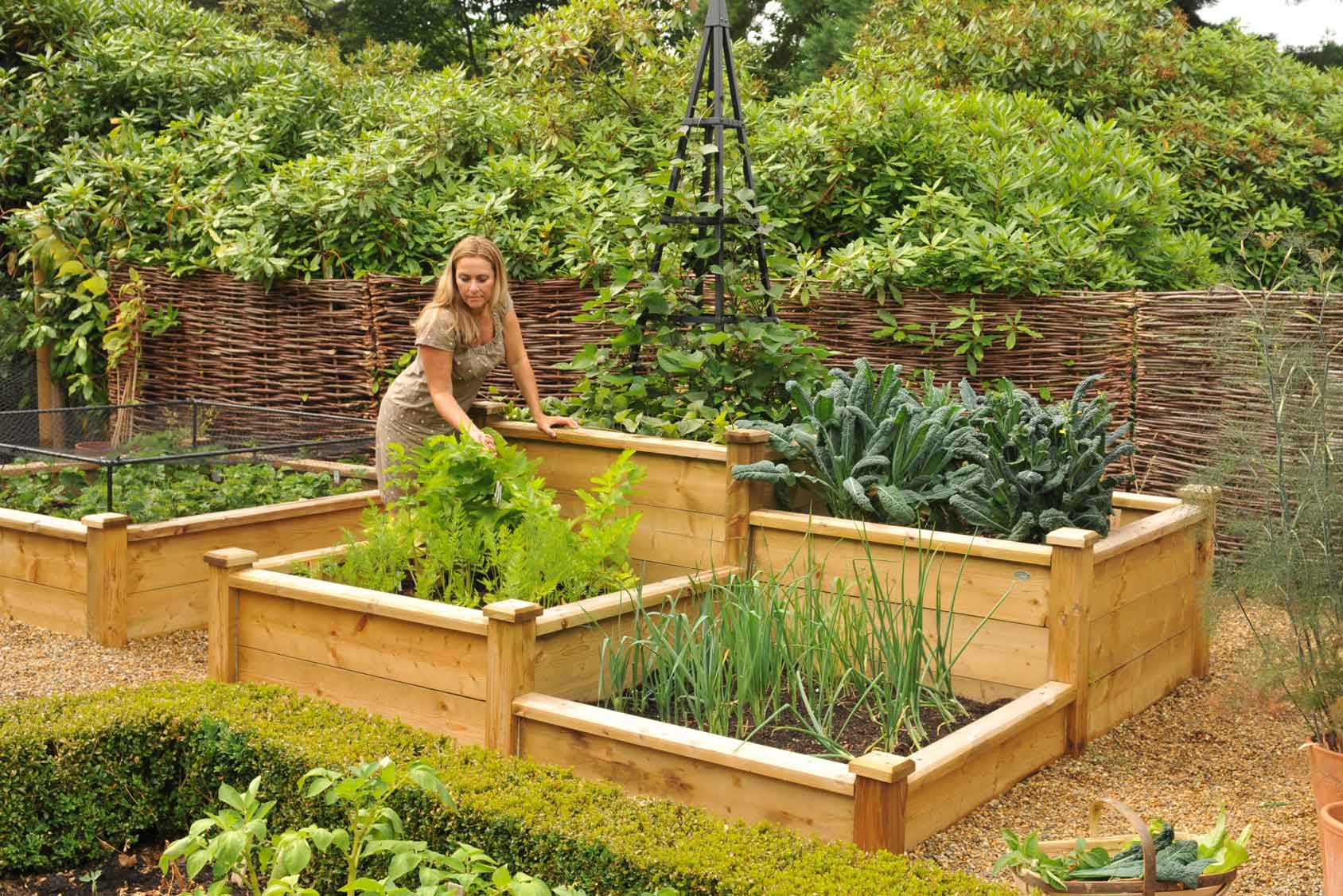
Introduction to Raised Garden Beds
Building a raised garden bed is a fantastic way to grow your own vegetables, herbs, and flowers. Raised beds offer numerous benefits, including improved soil drainage, reduced soil compaction, and easier access for planting and harvesting. They are also a great option for those with poor soil conditions or limited space. In this article, we will guide you through the process of building a raised garden bed from scratch, covering everything from selecting materials to planting your first seeds. Whether you are a seasoned gardener or a beginner, you'll find this guide helpful and easy to follow.
Choosing the Right Location
Selecting the right location for your raised garden bed is crucial for the success of your plants. Ideally, you should choose a spot that receives at least six to eight hours of direct sunlight each day. Consider the proximity to a water source, as frequent watering is essential, especially during dry spells. Additionally, make sure the area has good air circulation to prevent fungal diseases. If you have pets or wildlife that may disturb your garden, consider placing your bed in a fenced area or using protective netting.
Selecting Materials
When it comes to building materials, you have several options. Common choices include wood, metal, and composite materials. Wood is a popular choice due to its natural appearance and ease of use. Cedar and redwood are excellent options as they are naturally resistant to rot and insects. Metal beds, often made from galvanized steel, are durable and long-lasting but can be more expensive. Composite materials, made from recycled plastics and wood fibers, offer the benefits of both wood and plastic, being resistant to rot and insects while requiring minimal maintenance. Choose the material that best fits your budget, aesthetic preferences, and durability needs.
Building the Frame
Once you have selected your materials, it's time to build the frame of your raised garden bed. Start by measuring and marking the area where you want to place your bed. Cut your materials to the desired dimensions, typically 4 feet wide by 8 feet long, which allows for easy access to the center of the bed from all sides. Assemble the frame by attaching the corners with screws or brackets. Ensure that the frame is level and square before securing it in place. For added stability, you can drive wooden stakes into the ground at each corner and attach them to the frame.
Preparing the Soil
The quality of the soil in your raised garden bed is critical for healthy plant growth. Start by removing any grass or weeds from the area. Next, fill the bed with a mixture of topsoil, compost, and other organic matter. A common recommendation is to use one-third topsoil, one-third compost, and one-third peat moss or coconut coir. This combination provides a well-draining, nutrient-rich environment for your plants. You can also add other soil amendments such as perlite or vermiculite to improve aeration and moisture retention. Mix the soil thoroughly to ensure even distribution of nutrients.
Planting Your Garden
Now that your raised garden bed is ready, it's time to start planting. Begin by planning the layout of your garden, taking into account the mature size and spacing requirements of each plant. Consider using companion planting techniques to maximize space and improve plant health. For example, planting marigolds alongside tomatoes can help deter pests. Sow seeds or transplant seedlings according to the instructions on the seed packets or plant tags. Water your garden thoroughly after planting to help the roots establish.
Maintenance and Care
Maintaining a raised garden bed is relatively simple but requires regular attention. Watering is essential, especially during dry periods. Raised beds tend to dry out faster than in-ground gardens, so check the soil moisture frequently. Weeding is another important task; remove weeds promptly to prevent them from competing with your plants for nutrients and water. Fertilizing your garden periodically with organic fertilizers or compost can help replenish nutrients. Additionally, monitor your plants for signs of pests or diseases and take appropriate action if needed.
Harvesting and Enjoying Your Garden
One of the most rewarding aspects of gardening is harvesting the fruits of your labor. Depending on what you have planted, you may be able to start harvesting within a few weeks to several months. Harvest vegetables and herbs regularly to encourage continuous production. For example, picking leafy greens frequently can promote new growth. Enjoy the fresh, homegrown produce in your meals and share the surplus with friends and family. Raised garden beds not only provide a bountiful harvest but also a sense of accomplishment and connection to nature.