How to Build a Low-Maintenance Garden
Create a beautiful, low-maintenance garden with easy-care plants, efficient watering, and smart design strategies.
Understanding Low-Maintenance Gardens
Creating a low-maintenance garden begins with understanding what it entails. The idea is to design a space that requires minimal effort to keep looking its best. This involves selecting the right plants, materials, and layout. It's not just about reducing workload but also about maximizing enjoyment of your outdoor space. Key to this approach is choosing plants that are well-suited to your local climate, as they will require less intervention. Consider plants that are drought-resistant or native to your area. These types of plants typically require less watering and are more resilient to local pests and diseases. By reducing the need for frequent care, you can spend more time enjoying your garden rather than maintaining it.
Choosing the Right Plants
Selecting the right plants is crucial for a low-maintenance garden. Opt for perennials over annuals, as they come back year after year, reducing the need for replanting. Look for plants that are known for their hardiness and require minimal pruning. Some popular choices include lavender, sedum, and ornamental grasses. These plants not only add beauty but also thrive with minimal care. Additionally, consider planting shrubs that offer seasonal interest and require little attention, such as evergreens or deciduous shrubs that don't need frequent trimming. By focusing on these types of plants, you can significantly cut down on the time and effort needed to keep your garden looking vibrant.
Efficient Irrigation Solutions
One of the most labor-intensive tasks in gardening is watering. To build a low-maintenance garden, consider installing an efficient irrigation system. Drip irrigation systems are particularly effective, as they deliver water directly to the plant roots, minimizing waste and evaporation. This system can be automated, ensuring that your plants receive the right amount of water without daily intervention. Rainwater harvesting is another sustainable option that can reduce your reliance on municipal water supplies. By collecting rainwater in barrels, you can water your garden naturally and economically. These methods not only save time but also contribute to a more environmentally friendly garden.
Mulching for Weed Control
Mulching is an essential practice for maintaining a low-maintenance garden. It helps suppress weeds, retain soil moisture, and improve soil health. Organic mulches, such as bark chips, straw, or compost, are excellent choices. They break down over time, adding nutrients to the soil. Apply a layer of mulch around your plants, ensuring it's thick enough to prevent weeds from taking root. This reduces the need for frequent weeding, one of the most time-consuming garden chores. Mulch also helps maintain consistent soil temperatures, protecting plant roots during extreme weather conditions. By incorporating mulching into your gardening routine, you can significantly reduce maintenance tasks.
Simplifying Garden Design
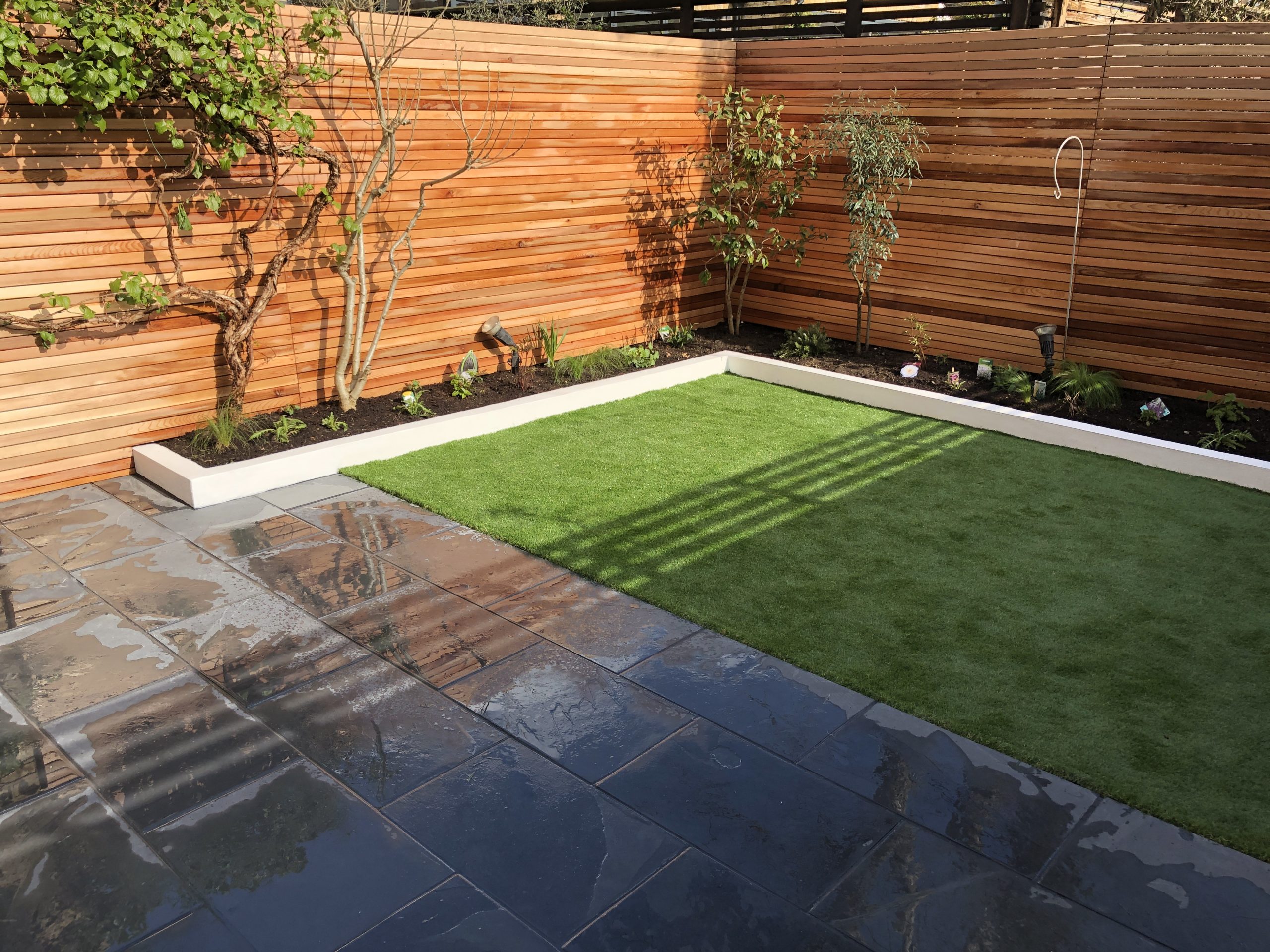
A well-thought-out garden design can greatly contribute to a low-maintenance garden. Aim for simplicity in both layout and plant selection. Choose a few types of plants and repeat them throughout your garden for a cohesive look that requires less upkeep. Consider using hardscaping elements like gravel paths or stone patios, which reduce the area that needs regular care. Raised beds can also make gardening more accessible and reduce the need for bending and kneeling. When planning your garden, think about how each element will contribute to ease of maintenance, ensuring that every part of your garden serves a purpose with minimal effort.
Utilizing Containers and Raised Beds
Incorporating containers and raised beds into your garden design can further reduce maintenance. Containers are versatile and can be moved to suit your garden's changing needs, whether for sun exposure or aesthetic purposes. They also limit weed growth and can be used to create a focal point without requiring extensive care. Raised beds improve drainage and can be filled with quality soil, reducing the need for frequent amendments. They also make it easier to control pests and diseases. By using containers and raised beds, you can create a dynamic garden space that's both manageable and visually appealing.
Sustainable Practices for Long-Term Ease
Implementing sustainable practices is key to maintaining a low-maintenance garden over the long term. Composting is an effective way to enrich your soil naturally, reducing the need for chemical fertilizers. Encourage beneficial insects, like ladybugs and bees, by planting a variety of flowering plants. These insects help control pests and pollinate your garden, reducing the need for intervention. Also, consider reducing lawn areas, which require regular mowing and watering, by expanding flower beds or adding ground covers. By focusing on sustainability, you create a garden that's not only easy to maintain but also environmentally friendly, providing a haven for both you and local wildlife.