Exploring Vocational Training: Alternative Pathways to Success
Vocational training offers practical skills and direct pathways to rewarding careers, challenging traditional education models.
The Rise of Vocational Training
In recent years, vocational training has emerged as a viable alternative to traditional college education. As industries evolve, the demand for specialized skills has grown, leading to an increased interest in vocational programs. These programs offer hands-on experience and practical knowledge, enabling students to enter the workforce more quickly and with less debt than a four-year degree might incur. Vocational training covers a broad spectrum of fields, from healthcare and information technology to culinary arts and automotive repair. By focusing on specific skill sets, vocational training prepares students for immediate employment, often resulting in higher job satisfaction and stability. As the job market continues to change, vocational education plays a crucial role in meeting the needs of both employers and employees.
Bridging the Skills Gap
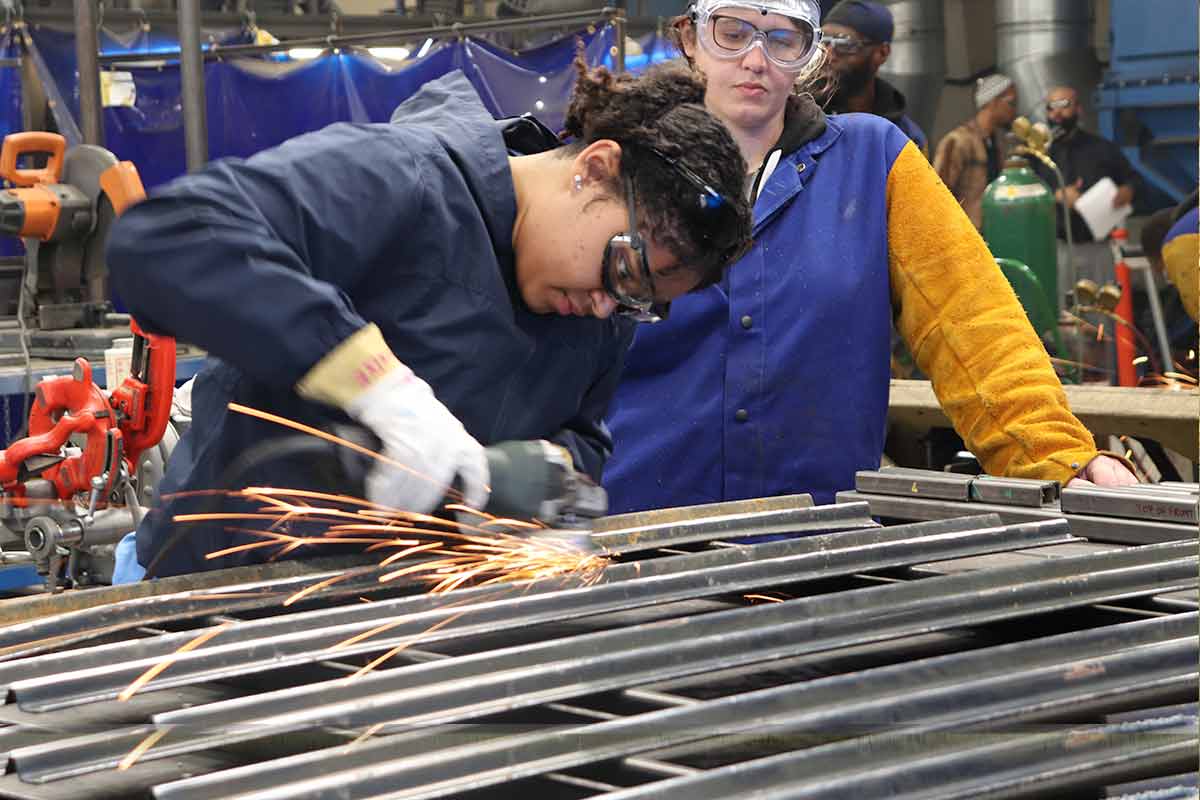
One of the primary benefits of vocational training is its ability to bridge the skills gap in the workforce. Many industries report a shortage of qualified workers, particularly in technical fields. Vocational programs are designed to address this gap by providing targeted education that aligns with industry needs. For example, programs in areas like welding, plumbing, and electrical work are in high demand, offering lucrative career opportunities. By equipping students with the skills required by employers, vocational training helps reduce unemployment rates and supports economic growth. Additionally, these programs often collaborate with local businesses to ensure that curricula remain relevant and up-to-date, further enhancing their effectiveness in preparing students for the workforce.
Cost-Effective Education
Affordability is a significant factor that attracts many students to vocational training. Traditional college education can be prohibitively expensive, leaving graduates with substantial debt. In contrast, vocational programs typically have lower tuition fees and shorter durations, allowing students to enter the job market faster. Many vocational schools also offer financial aid and scholarship opportunities, making education accessible to a broader audience. This cost-effectiveness is particularly appealing in an economic climate where student debt is a growing concern. By choosing vocational training, students can achieve financial independence sooner and avoid the long-term financial burden associated with college loans.
Hands-On Learning Experience
Vocational training is characterized by its emphasis on hands-on learning. Unlike traditional academic programs that focus on theoretical knowledge, vocational education prioritizes practical experience. Students spend a significant portion of their time in workshops, labs, or on-site training, allowing them to apply what they've learned in real-world settings. This experiential learning approach not only enhances skill development but also boosts confidence, as students become proficient in their chosen fields. For many learners, this method of education is more engaging and fulfilling, as it directly relates to their career aspirations. By the time they graduate, vocational students are often more prepared to tackle the challenges of their professions.
Flexibility and Accessibility
Another advantage of vocational training is its flexibility and accessibility. Many programs offer part-time, evening, or online classes, accommodating students who need to balance education with work or family responsibilities. This flexibility allows individuals to pursue further education without sacrificing their current commitments. Additionally, vocational schools are often located in various regions, making it easier for students to find programs close to home. The accessibility of vocational training opens doors for individuals from diverse backgrounds, including those who may not have had the opportunity to attend a traditional college. This inclusivity is crucial in creating a more equitable education system.
Industry Partnerships
Vocational training programs frequently establish partnerships with industry leaders, ensuring that their curricula remain aligned with current market demands. These collaborations provide students with access to internships, apprenticeships, and job placement opportunities, enhancing their employability upon graduation. Industry partnerships also facilitate the sharing of resources and expertise, benefiting both educational institutions and businesses. By working closely with employers, vocational schools can adapt quickly to changes in industry standards and technologies, ensuring that students receive the most relevant and up-to-date training possible.
Personal and Professional Growth
While vocational training is primarily focused on skill acquisition, it also fosters personal and professional growth. Students develop critical thinking, problem-solving, and communication skills that are essential in any career. The collaborative nature of vocational programs encourages teamwork and networking, helping students build relationships that can support their career advancement. Furthermore, vocational training instills a sense of accomplishment and confidence, as students gain mastery over their chosen trades. This holistic approach to education not only prepares individuals for successful careers but also contributes to their overall personal development.
A Future-Ready Workforce
As the job market continues to evolve, vocational training plays a pivotal role in preparing a future-ready workforce. With the rise of automation and technological advancements, the demand for specialized skills is expected to grow. Vocational education equips students with the expertise needed to thrive in this changing landscape. By offering targeted training in high-demand fields, vocational programs ensure that graduates are well-equipped to meet the challenges of tomorrow's job market. As society continues to value practical skills and adaptability, vocational training will remain an essential pathway to success, empowering individuals to achieve their career goals and contribute meaningfully to the economy.