Exploring the Future of Quantum Computing
Quantum computing promises revolutionary changes in technology, potentially transforming industries and redefining problem-solving.
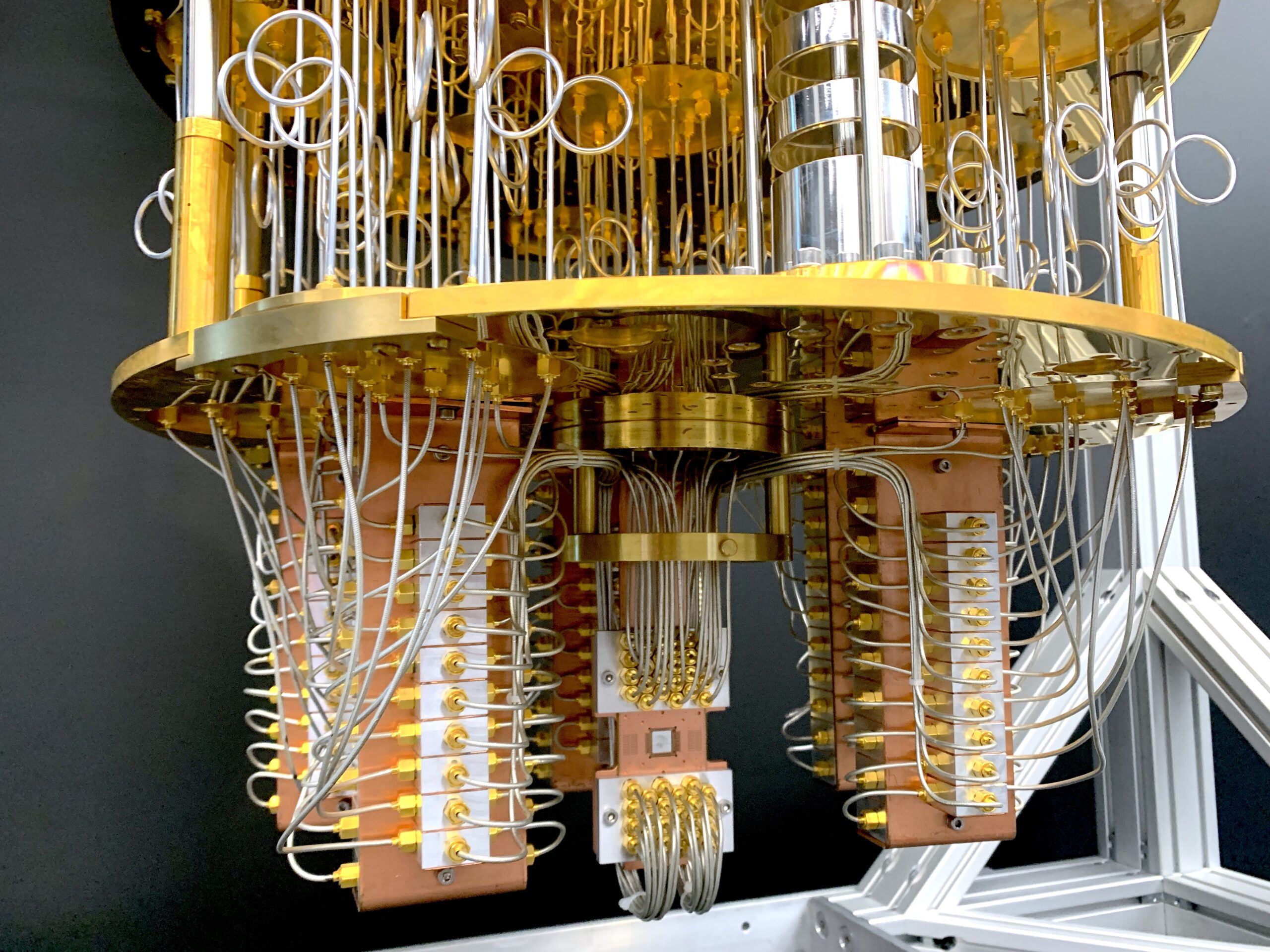
The Quantum Leap in Computing
Quantum computing is on the brink of revolutionizing the world of computers and consumer electronics. Unlike classical computers that use bits as the smallest unit of data, quantum computers leverage qubits. Qubits can exist in multiple states simultaneously, thanks to the principles of superposition and entanglement. This capability allows quantum computers to process information at unprecedented speeds, opening doors to solving complex problems that are currently infeasible for classical computers. As researchers continue to explore quantum mechanics, the potential for breakthroughs in various fields, including cryptography, material science, and artificial intelligence, becomes increasingly promising. The unique properties of quantum computing could redefine how we approach problem-solving and innovation in technology.
Unraveling Quantum Mechanics
To understand the future of quantum computing, it's essential to grasp the basics of quantum mechanics, the foundation upon which this technology is built. Quantum mechanics describes the behavior of matter and energy at the smallest scales, where traditional laws of physics no longer apply. Key phenomena such as superposition, where particles can exist in multiple states simultaneously, and entanglement, where particles become interconnected, allow quantum computers to perform complex calculations more efficiently than classical computers. These principles challenge our classical understanding of computing, providing new avenues for research and development. As scientists continue to uncover the mysteries of quantum mechanics, we inch closer to fully harnessing its potential in computing and beyond.
Quantum Computing vs. Classical Computing
The fundamental difference between quantum and classical computing lies in how they process information. Classical computers use bits, represented as 0s and 1s, to perform calculations. In contrast, quantum computers use qubits, which can exist as 0, 1, or both simultaneously due to superposition. This property allows quantum computers to perform multiple calculations at once, offering a significant speed advantage for certain tasks. While classical computers excel at everyday tasks and applications, quantum computers hold the potential to solve complex problems in fields like cryptography, optimization, and drug discovery. The challenge lies in developing algorithms that can effectively utilize quantum computing's unique capabilities, a field of study that is rapidly evolving.
The Challenges Ahead
Despite its potential, quantum computing faces significant challenges before it can become mainstream. One of the primary obstacles is quantum decoherence, where qubits lose their quantum state due to environmental interference. This issue makes it difficult to maintain stable qubits for extended periods, impacting the reliability of computations. Additionally, error rates in quantum computing are currently higher than in classical systems, necessitating advanced error-correction techniques. Building scalable quantum computers also requires overcoming engineering hurdles related to qubit connectivity and control. Researchers are actively working on these challenges, employing innovative solutions to improve qubit stability and developing robust error-correction methods to ensure accurate computations.
Applications of Quantum Computing
The potential applications of quantum computing are vast and transformative. In cryptography, quantum computers could break current encryption methods, prompting the development of quantum-resistant algorithms. In the field of material science, quantum simulations could lead to the discovery of new materials with desirable properties, impacting industries from energy to manufacturing. The pharmaceutical industry stands to benefit from quantum computing's ability to model complex molecular interactions, accelerating drug discovery and personalized medicine. Additionally, quantum computing could revolutionize artificial intelligence by optimizing machine learning algorithms, leading to more efficient data processing and analysis. As quantum technology progresses, its applications will continue to expand, reshaping various sectors.
The Race for Quantum Supremacy
Quantum supremacy refers to the point at which a quantum computer can perform a task that is beyond the capabilities of the most powerful classical computers. Achieving quantum supremacy is a significant milestone, signaling the practical viability of quantum computing. Several tech giants and research institutions are in a race to achieve this feat, investing heavily in quantum research and development. The competition has spurred innovation, leading to advancements in qubit technology, error correction, and quantum algorithms. While some claims of quantum supremacy have been made, the journey towards widespread adoption of quantum computing is ongoing. The quest for quantum supremacy not only drives technological progress but also fuels collaboration and knowledge-sharing across the scientific community.
The Future Landscape
The future of quantum computing holds immense promise, with potential impacts spanning various industries and scientific disciplines. As researchers continue to refine quantum technologies, we can anticipate breakthroughs that will redefine computing and problem-solving paradigms. The integration of quantum computing with classical systems could lead to hybrid models, combining the strengths of both approaches for optimized performance. Education and workforce development will play a crucial role in preparing for a quantum future, as new skills and expertise will be required to harness this technology's full potential. As quantum computing continues to evolve, its influence on technology and society will be profound, shaping the future landscape of innovation and discovery.