Effective Time Management Tips for Students and Professionals
Master the art of time management with these practical tips tailored for both students and professionals to enhance productivity and reduce stress.
Understanding Priorities
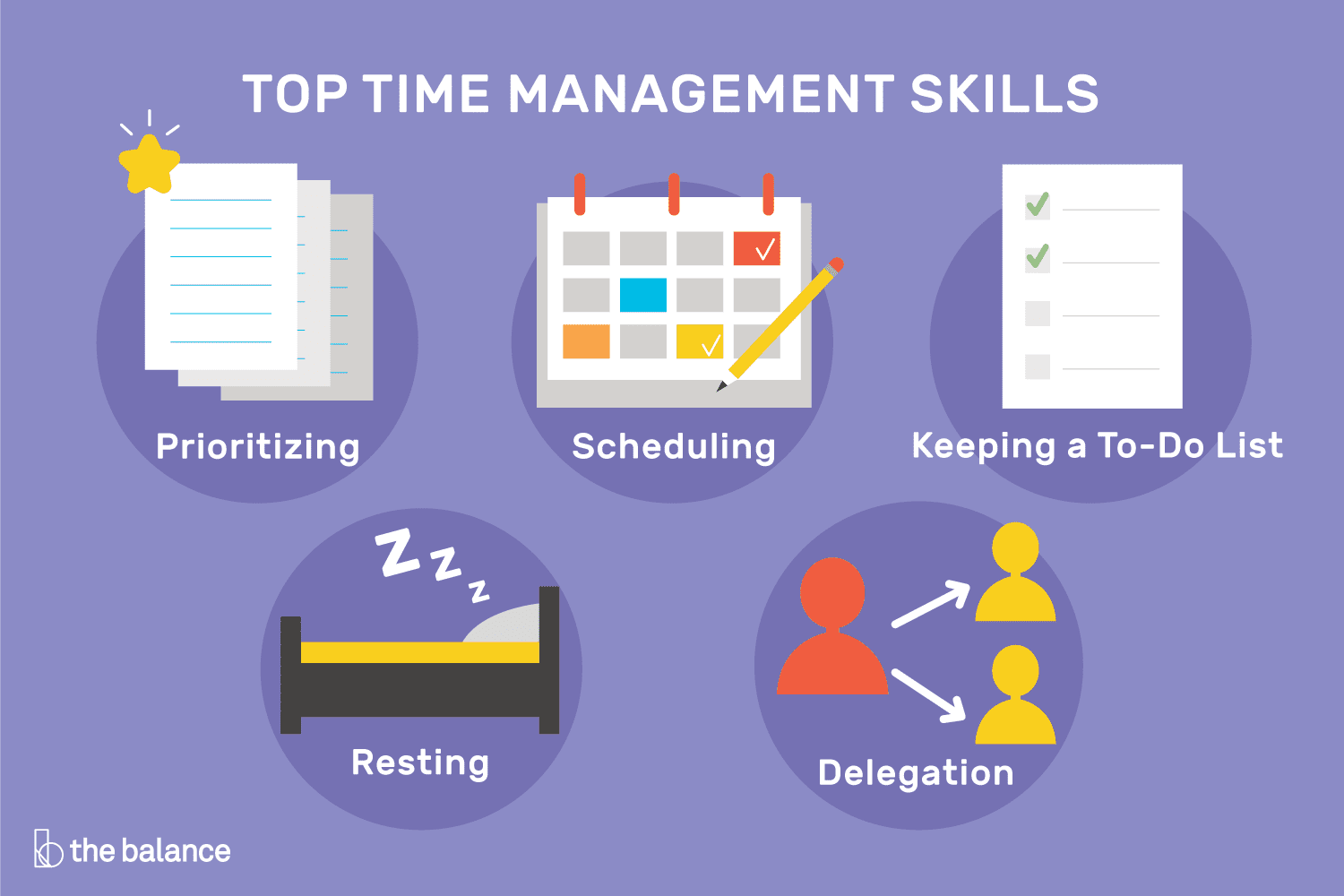
Effective time management begins with understanding your priorities. Whether you're a student juggling multiple subjects or a professional balancing various projects, identifying what tasks are most important is crucial. Start by making a list of all your responsibilities and categorize them based on urgency and importance. This will help you focus on tasks that need immediate attention and avoid wasting time on less critical activities. Tools like the Eisenhower Matrix can be particularly helpful in this process. By understanding your priorities, you can allocate your time more effectively and reduce the stress that comes from feeling overwhelmed.
Setting Realistic Goals
Once you understand your priorities, the next step is to set realistic goals. Goals give you a clear direction and a sense of purpose, making it easier to stay focused. Break down larger tasks into smaller, manageable steps and set deadlines for each. This approach not only makes the task less daunting but also gives you a sense of accomplishment as you complete each step. For example, if you're working on a research paper, set a goal to complete the introduction in one day, the literature review in the next, and so on. By setting realistic goals, you can maintain a steady pace and avoid last-minute rushes.
Utilizing Tools and Technology
In today's digital age, numerous tools and technologies can help you manage your time more effectively. Time management apps like Trello, Asana, and Google Calendar can help you organize tasks, set reminders, and track your progress. These tools often come with features like notifications and alerts, ensuring you stay on track. Additionally, using techniques like Pomodoro can help you maintain focus by breaking your work into intervals, usually 25 minutes long, followed by a short break. Leveraging these tools can significantly enhance your productivity and ensure you make the most of your time.
Avoiding Multitasking
While it might seem like multitasking allows you to get more done, it often leads to decreased productivity and increased stress. When you try to do multiple things at once, your brain has to constantly switch between tasks, which can lead to mistakes and a lower quality of work. Instead, focus on single-tasking by dedicating a specific amount of time to one task before moving on to the next. This approach not only improves the quality of your work but also helps you complete tasks more efficiently. For example, if you're studying for exams, focus on one subject at a time rather than jumping between different topics.
Taking Breaks and Rest
It's essential to recognize the importance of taking regular breaks and getting adequate rest. Continuous work without breaks can lead to burnout and decreased productivity. Schedule short breaks between tasks to give your mind a chance to rest and recharge. Even a five-minute walk or a quick stretch can make a significant difference. Additionally, ensure you get enough sleep each night, as rest is crucial for maintaining focus and energy levels. By incorporating breaks and rest into your routine, you can sustain a higher level of productivity over a more extended period.
Reflecting and Adjusting
Effective time management is an ongoing process that requires regular reflection and adjustment. At the end of each week, take some time to review what you accomplished and identify areas where you can improve. Ask yourself questions like: Did I meet my goals? What challenges did I face? How can I manage my time better next week? By reflecting on your performance and making necessary adjustments, you can continuously improve your time management skills. Remember, it's a learning process, and it's okay to make mistakes as long as you're willing to learn from them and adapt.